Sensory Engagement Guide: Age based play guide
Selecting the right activities for a growing child requires matching the stimulation to their current developmental stage. This guide provides age-based play selection strategies to help parents engage effectively with their children. You will learn how to identify developmental milestones, choose appropriate sensory tools, and adapt activities as they grow.
How to choose an age based play guide?
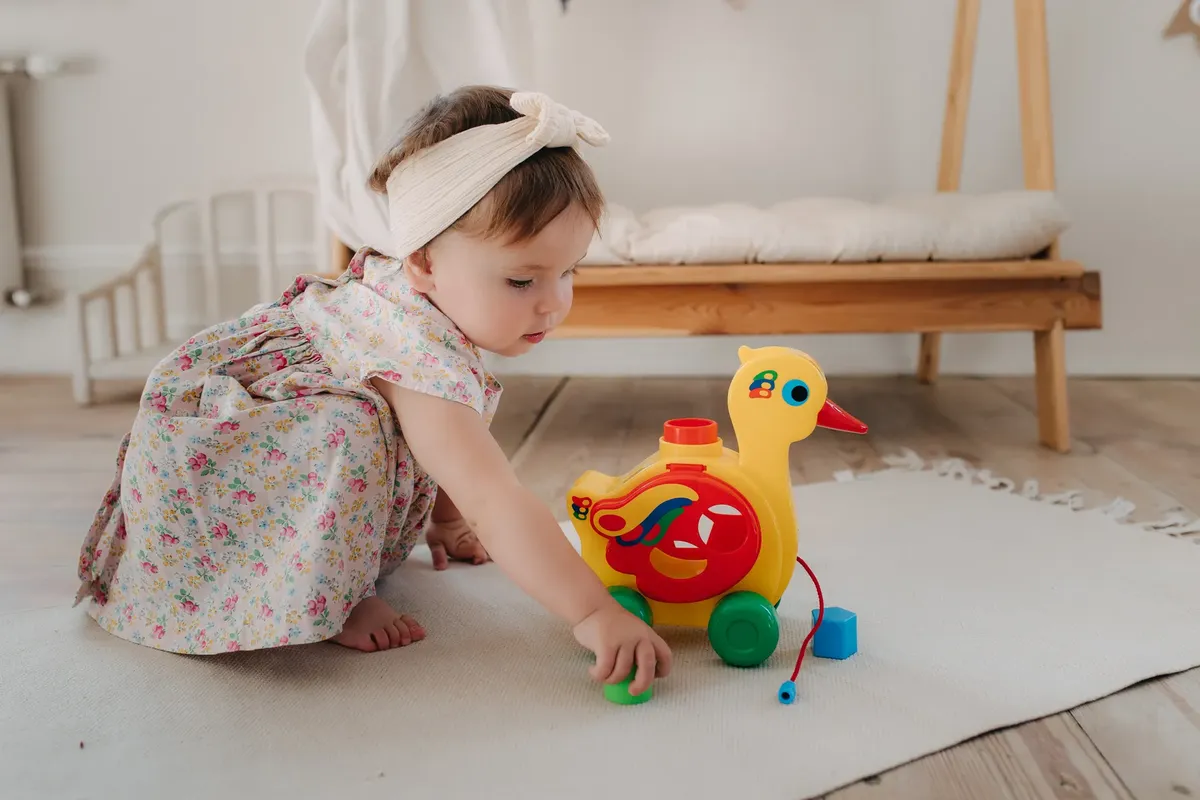
A parent sits on a soft rug, watching a child reach for a colorful wooden block. Selecting the right activity means understanding that a child's physical and cognitive abilities change rapidly with every passing month.
Effective play selection focuses on sensory engagement for infants and motor skill mastery for toddlers. By aligning activities with these natural shifts, parents can foster curiosity without causing frustration.
This approach ensures that play remains a tool for growth rather than a source of stress.
What are the essential steps for infant play?
At noon in the nursery, I gently shake a bright rattle to provide the necessary sensory stimulation for my baby's wandering eyes.
A soft blanket is spread across the living room floor to create a safe zone. The parent gently shakes a rattle to capture the infant's wandering gaze.
- To capture attention, focus on sensory stimulation using gentle sounds and high-contrast colors. 2. Encourage tummy time to build neck and shoulder strength through visual tracking. 3. Use tactile objects with different textures to stimulate touch.
I remember watching my own child grasp a soft fabric book for the first time, realizing how much a simple object could spark engagement. Always check for small parts to ensure safety during these early stages.
How to manage toddler activity ideas?
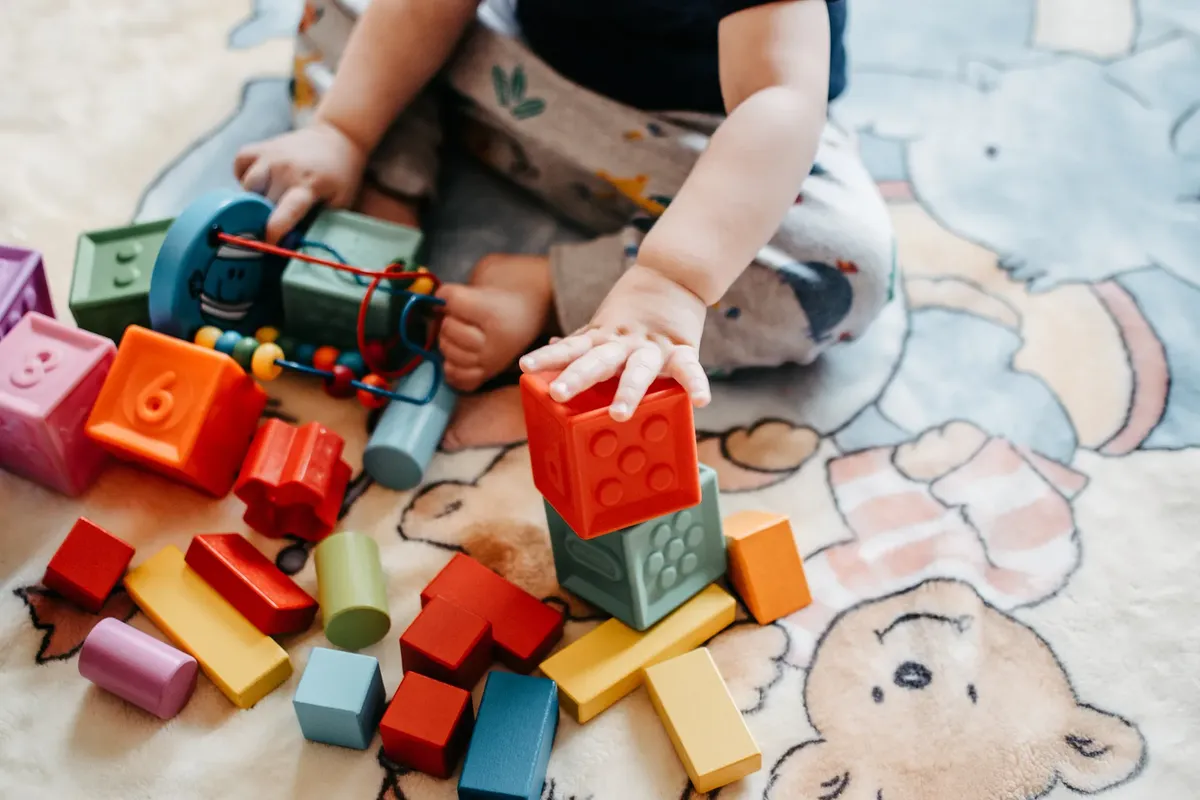
A toddler crawls toward a pile of soft cushions, attempting to climb over a small obstacle. The room is filled with the sound of rhythmic tapping and laughter.
As children move into the toddler stage, movement becomes the primary way they explore the world. Toddler activity ideas should prioritize gross motor skills, such as climbing, jumping, and balancing. These movements help build confidence and physical coordination.
Providing space for movement prevents the frustration of restricted motion. Parents should look for sturdy, low-to-the-ground furniture or soft play mats to facilitate safe exploration. This phase is about testing boundaries and physical limits.
Why is infant play selection important for development?
An infant reaches out with tiny fingers, attempting to touch a dangling mobile. The gentle movement of the toy creates a sense of wonder.
Infant play selection is critical because early sensory experiences form the foundation for cognitive processing. During this stage, the brain is highly plastic and responds intensely to new stimuli. Choosing toys that encourage sight, sound, and touch helps build neural pathways.
Using age-appropriate tools prevents overstimulation while still providing enough challenge to keep the infant engaged. It is helpful to rotate toys frequently to maintain interest. This prevents boredom and keeps the learning process active.
What are the best ways to handle child development play?
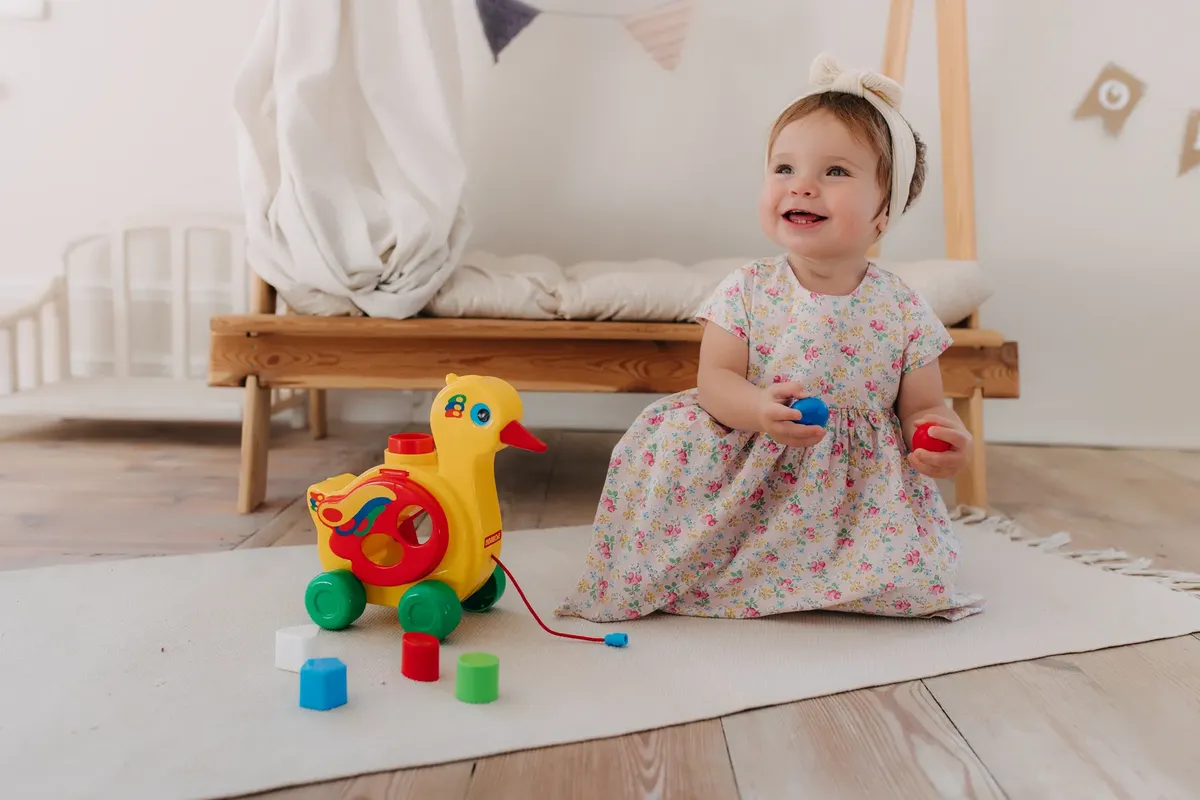
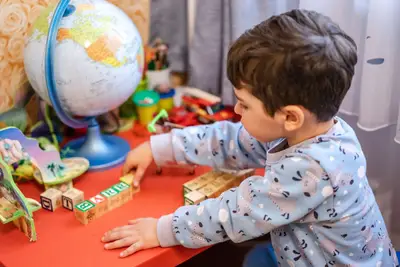
A child sits among scattered blocks, carefully stacking one on top of another. The concentration on their face shows deep engagement with the task.
Child development play should transition from simple sensory input to more complex problem-solving tasks. As children grow, they begin to understand cause and effect, such as pushing a button to make a sound. Incorporating these logical elements keeps the brain active.
You can support this by introducing puzzles, stacking rings, or sorting games. These activities bridge the gap between physical movement and cognitive reasoning. Always observe how the child interacts with the object to decide when to introduce a new challenge.
How to implement safe play for infants?
A parent carefully inspects a small plastic toy, ensuring there are no sharp edges. The sunlight through the window illuminates the clean play area.
Safety is the most important component when implementing safe play for infants. Because infants explore everything with their mouths, all objects must be non-toxic and large enough to avoid choking hazards.
* Check all items for loose parts or sharp edges regularly. * Keep the play environment clear of small clutter. * Supervise all physical activities closely.

A final check involves testing the durability of any toy before placing it in a child's reach. While these steps cover basic needs, play selection is limited to the specific physical capabilities and safety requirements of the child's current month of age.
- How to choose an age based play guide?
- What are the essential steps for infant play?
- How to manage toddler activity ideas?
The subject here is Age based play guide.
The same subject is also called Baby play by age.
This part also covers Best toys by age.
This part also covers Play for learning kids.
Related
- Emotional attachment: Age based play routine guide how
- Play for child brain growth: Boost brain with kids play tips
When should activities transition from sensory to cognitive play? The transition from simple sensory input to more complex problem-solving tasks should occur as children demonstrate an understanding of cause and effect. Observing how the child interacts with the object helps determine the appropriate time to introduce a new challenge. This shift supports the development of logical reasoning skills as the child progresses.
What cautions should parents keep in mind when selecting activities? Parents must always check for small parts to ensure safety during the early stages of development. Furthermore, play selection is limited to the specific physical capabilities and safety requirements of the child's current month of age. If a child is easily frustrated, the task may be too difficult, requiring a modification of the activity.
The goal of selecting the right activities is to foster curiosity without causing frustration throughout the child's growth. This careful alignment ensures that play remains a tool for growth rather than a source of stress for the family.
When choosing the right activities, parents should consider the child's current motor skills and sensory interests. This consideration helps in selecting the appropriate tools for engagement at any given time.






Comments 0