Monthly development checklist: Why observe child growth
"The best way to support a child's growth is to match their natural curiosity with structured, age-appropriate engagement."
A monthly development checklist helps parents identify when a child is ready for new sensory or motor challenges. By understanding these stages, caregivers can select activities that foster growth without causing frustration.
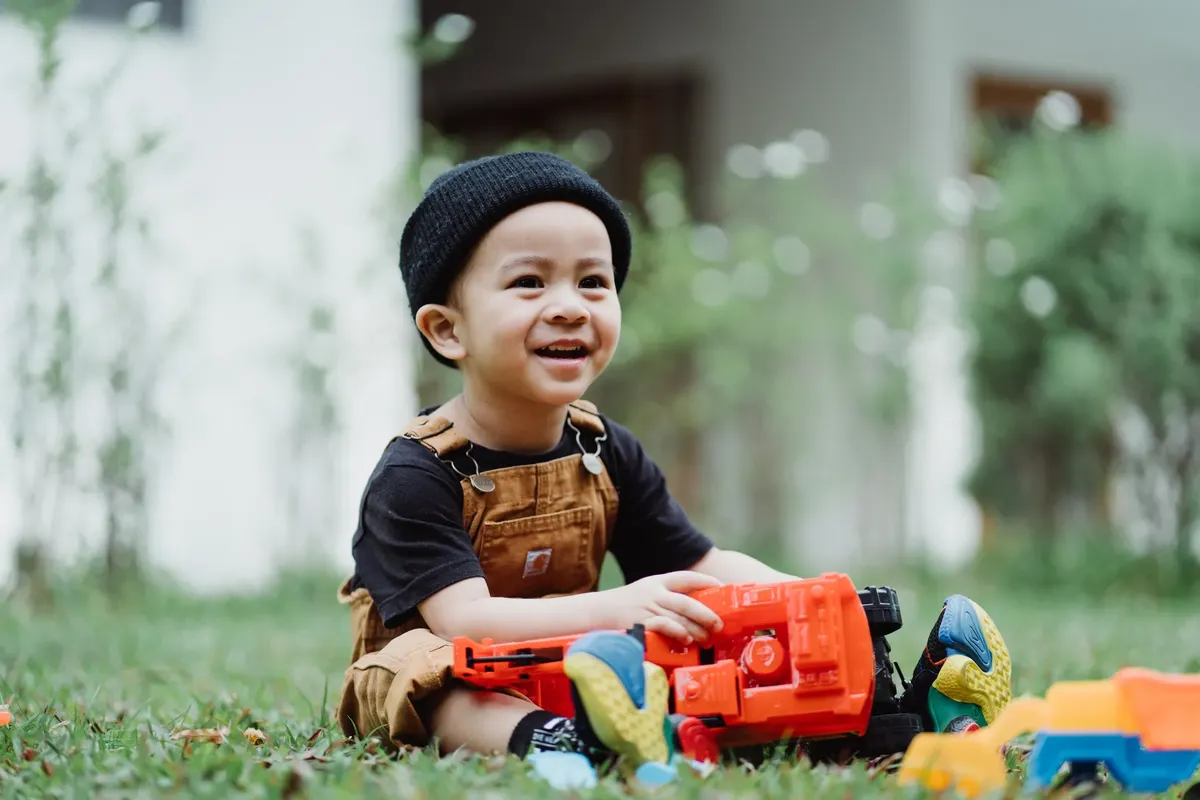
This guide explores how to use a monthly development checklist to guide play, how to match toys to a baby stage, and how to track infant development steps effectively.
How to choose play by age?
I sit on the nursery floor at noon, checking my monthly checklist while feeling the smooth wood of the blocks.
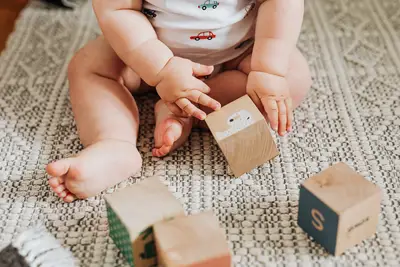
A parent sits on a colorful play mat, watching a baby reach for a bright wooden block. Selecting the right activity requires observing the child's current physical and cognitive milestones.
Choosing an activity involves matching the task to the child's current motor skills and attention span. For infants, focus on sensory exploration, while older toddlers require more complex problem-solving tasks.
Using a monthly development checklist ensures that the play remains challenging yet achievable for the child's specific age.
Effective play selection moves from simple sensory input to complex social interaction. For example, a newborn requires high-contrast visual stimulation, whereas a one-year-old might benefit from stacking objects.
By following a monthly development checklist, parents can transition from tactile play to more structured games as the child matures.
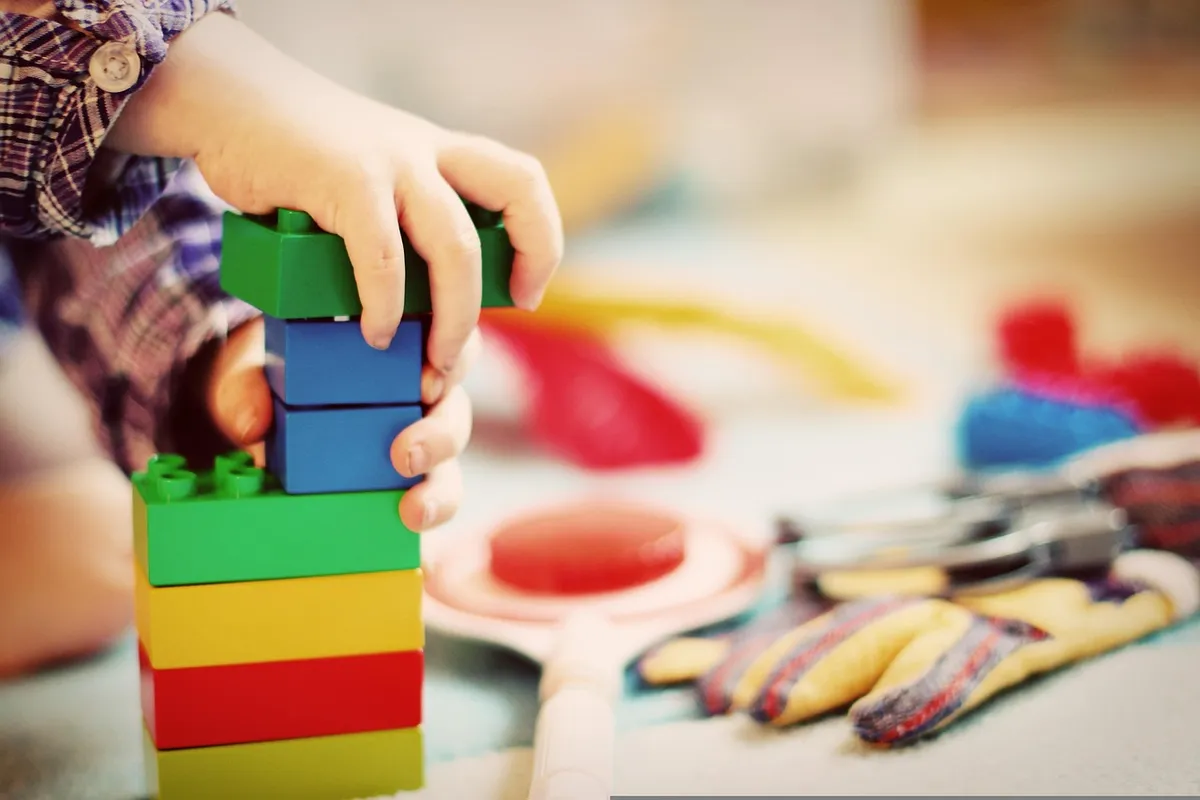
- Assess the child's current physical abilities.
- Identify their current sensory interests.
- Select toys that challenge their current skill level without causing frustration.
Which toys are right for my baby's stage? In the soft morning light of the nursery, I run my fingers over a new plush toy while reviewing the monthly progress.
A toddler grips a plastic shovel in a sandbox, digging with focused determination. Matching toys to a baby stage ensures that the objects used are safe and developmentally relevant.
The primary goal of matching toys to a baby stage is to support specific milestones like grasping, crawling, or walking. For infants, soft textures and easy-to-grip shapes are essential for fine motor development. As children grow, the complexity of the toys should increase to keep them engaged.
| Stage | Primary Focus |
|---|---|
| Infancy | Sensory and tactile exploration |
| Toddlerhood | Gross and fine motor coordination |
Matching toys to a baby stage requires constant reassessment as the child's abilities change. I remember adjusting the height of a play table when my child first began to pull themselves up to stand. This adjustment kept the engagement consistent with their physical progress.
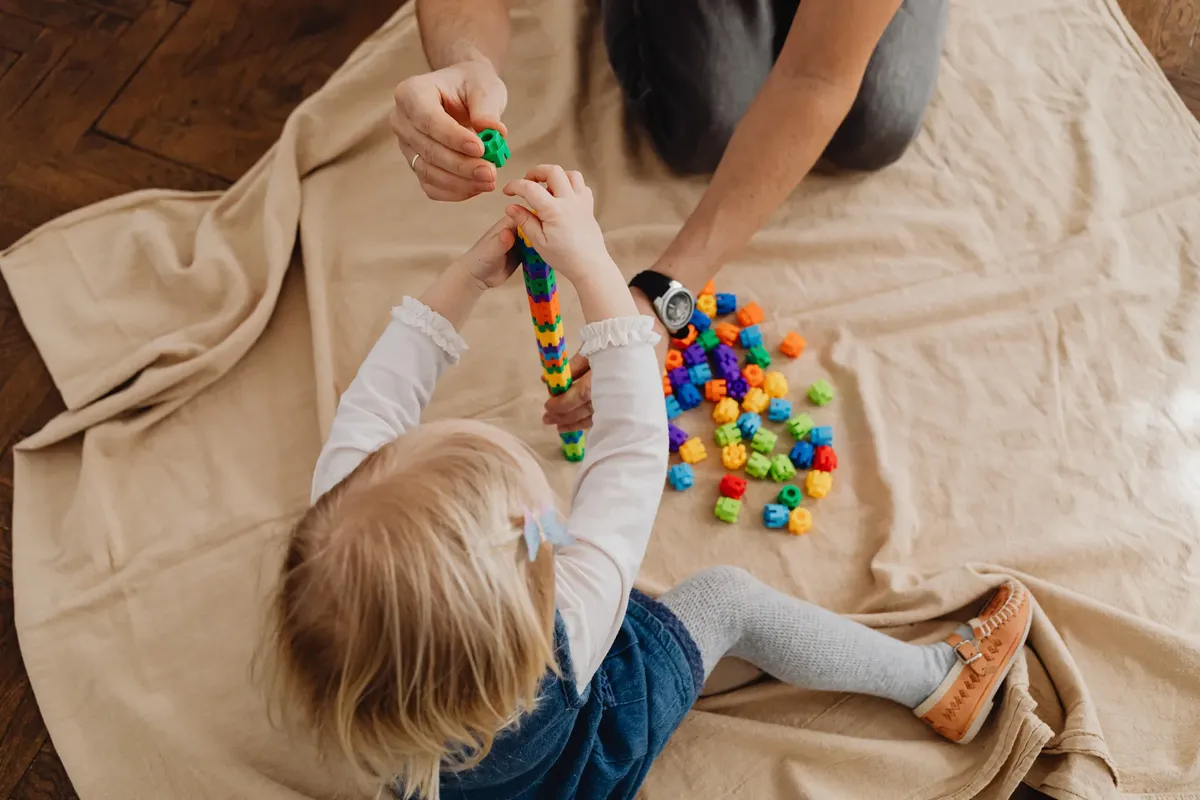
In this sequence, the second step is the most critical.
How do I track my baby's development? A caregiver scribbles notes in a small notebook while a child learns to crawl across the living room floor. Tracking infant development steps allows parents to monitor progress and identify areas where more support might be needed.
To successfully track infant development steps, follow these three steps: 1. Observe daily physical movements and social responses. 2. Document new skills, such as sitting up or grasping objects, as they occur. 3. Compare these observations against standard developmental milestones.
A final check involves reviewing these notes monthly to see if the child's needs have shifted. Tracking infant development steps provides a clear picture of the child's unique pace. It also helps in determining when to introduce more advanced tools or activities.
How to use a monthly development checklist?
A mother scans a printed list while her child plays with stacking rings. Using a monthly development checklist helps organize observations and plan future play sessions.

A monthly development checklist serves as a roadmap for both play and observation. It allows parents to see where a child excels and where they might need more stimulation. This tool turns vague observations into actionable insights for better parenting.
The checklist should be used to guide, not to pressure, the child's progress. It is a tool for understanding the child's current state rather than a race to reach a specific goal. Keeping this perspective ensures that play remains a joyful experience for the family.
Related
- Baby food by age guide: Start solids after six months
- How to start sleep routine through early bonding?
When Should Play Shift Focus?
Play should shift focus when the child demonstrates mastery of the current skill set. A child masters a skill when they perform it consistently without visible strain. Caregivers should monitor for this consistent performance before introducing a more complex activity to support the child's growth.
According to a 2021 poll by the Communist Youth League, over half of Chinese youths aged 18 to 26 said they were uninterested in having children because of the high cost of child-rearing.
This transition ensures that the engagement remains suitably challenging for the child.
What are the cautions when tracking development?
Caregivers must remember that tracking infant development steps is for guidance, not judgment. The checklist should never dictate the pace of the child's development. If a child appears to lag in one area, observe closely before assuming a deficit in the child's growth.
According to the Association for Statistics, the Lebanese Association for Statistics, Training, and Development urged the Lebanese government to ban the video game following reports that 30% of minors in the country could be exposed to inappropriate content.
The comparison between observed skills and standard milestones offers a general guideline, but it does not define the entire trajectory of the child. Each child's journey through development possesses its own unique rhythm.
When selecting toys, always prioritize safety alongside developmental relevance. Even if a toy aligns perfectly with a milestone, its material or size must be appropriate for the child's current physical capabilities. This cautious approach supports the child while preventing injury.
How Does Observation Inform Toy Selection? Observation of the child's current abilities guides the selection of appropriate toys to support growth. If a child shows proficiency in grasping, introducing objects that require more precise manipulation will further support their development. Conversely, if a child struggles with a certain action, selecting toys that reinforce that specific motor skill can aid their progress. This careful matching ensures that the toys actively contribute to the child's learning journey.
When Should a Caregiver Reassess Toy Needs? Caregivers should reassess toy needs whenever the child exhibits a noticeable shift in their developmental pattern. When a child begins to master a current toy's function, the toy's utility diminishes, necessitating a change. Monitoring the child's interaction with the toy helps determine the precise moment for an upgrade to a more stimulating option, thereby continuing to support the child's engagement.
Effective toy selection requires comparing the toy's intended use against the child's observed capabilities. A toy designed for advanced fine motor skills is inappropriate if the child has not yet developed the prerequisite hand strength.
This comparison prevents unnecessary frustration and ensures that the chosen activity truly supports the child's natural inclination toward learning.





Comments 0