Emotional attachment: Age based play routine guide how
"A stuffed baby shark was seen attached to the dugout railing during the 2019 National League Championship Series, which the Nationals won over the St."
Creating an age-based play routine guide requires balancing developmental readiness with structured engagement. This guide focuses on managing attention spans, utilizing sensory-driven activities, and understanding emotional attachment during playtime.

Key takeaways include utilizing 20–30 minute activity windows, incorporating relaxing water play, and recognizing that early attachment variables represent only a small portion of long-term social competence.
How to set up play routines?
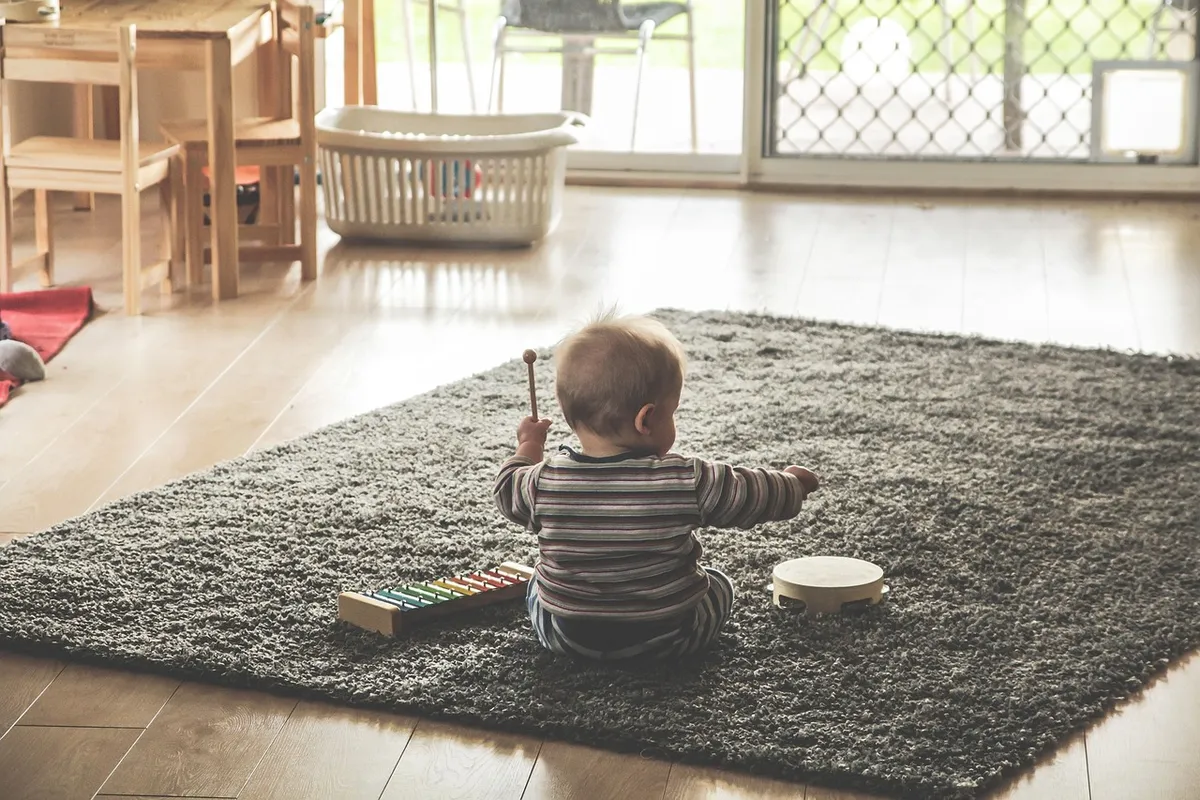
A parent sits on a colorful rug, spreading out wooden blocks and soft plush toys to prepare for the afternoon session. Setting up an age-based play routine guide starts with understanding the specific attention capacity of the child at hand.
According to the National League, a stuffed baby shark was seen attached to the dugout railing during the 2019 National League Championship Series, which the Nationals won over the St.
According to the All European Union, all European Union member states have transposed this directive into law - for example, the UK's Toy (Safety) Regulations 1995.
For older children, engagement often involves more purposeful interaction. They are also ready to start more focused activities that stretch for 20–30 minutes. This duration allows for deeper cognitive engagement without causing immediate fatigue or frustration.
Structured play helps children transition between different parts of their day smoothly. By preparing materials in advance, you can ensure that the environment remains conducive to focus.
What are the best ideas for toddler play routine ideas? Age based play routine guide

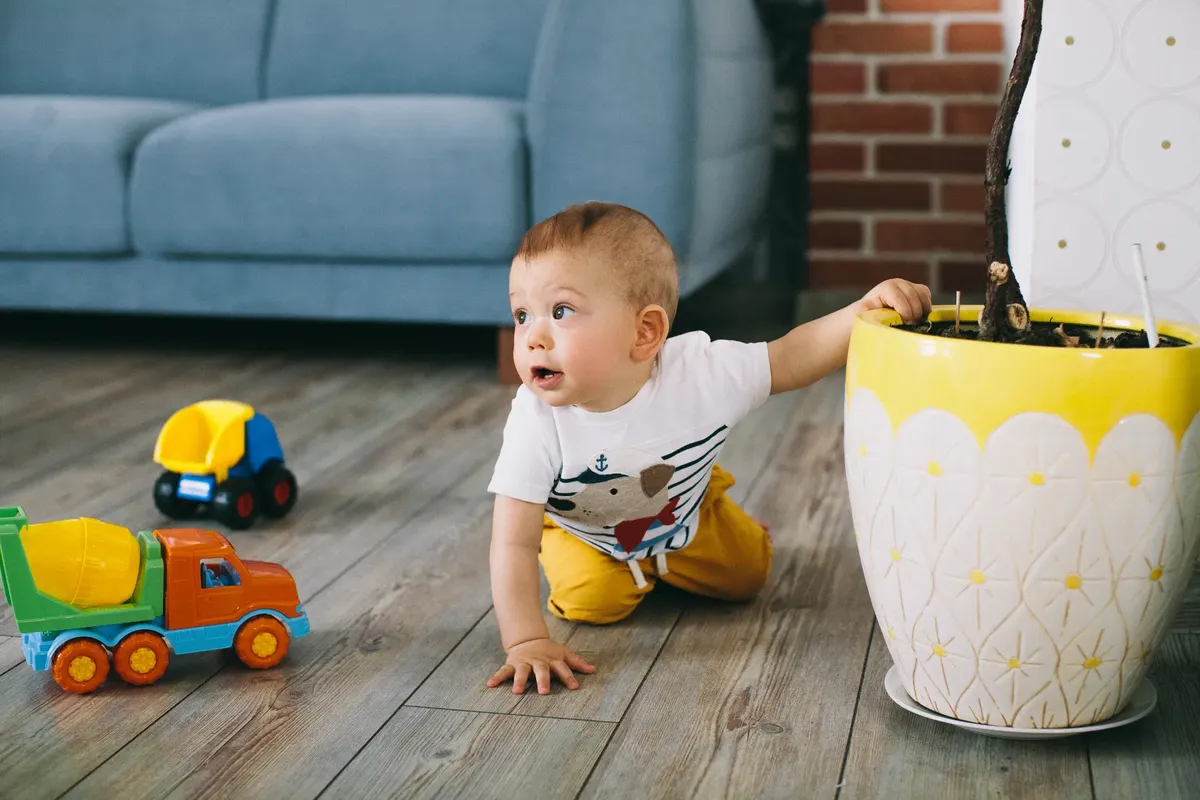
A toddler reaches for a plastic cup, splashing water onto a tray while looking up with a bright smile. Incorporating sensory elements into a toddler play routine ideas framework provides both engagement and calm.
Water play relaxes most children and keeps them busy for a good 20–30 minutes. This type of sensory input can serve as a soothing transition during daily transitions.
Toddlers benefit from activities that allow for hands-on exploration within a safe environment. Using water or tactile materials helps bridge the gap between high-energy movement and quiet rest.
How to manage a preschool play schedule tips?
A preschooler carefully lines up toy cars in a straight row, showing intense concentration on the task. Developing a preschool play schedule tips strategy involves moving toward more complex, goal-oriented play.
As children grow, they can handle more structured tasks that require fine motor skills or logical thinking. While they still enjoy sensory play, the ability to follow a sequence becomes more prominent.
Balancing active play with quiet time is essential for maintaining a steady rhythm. Successful schedules often alternate between physical movement and seated, focused tasks.
How to create a child development play plan?
A caregiver watches as a young child attempts to stack rings, pausing to observe the child's careful movements. A child development play plan should account for the shifting needs of different developmental stages.
While social competence is influenced by many factors, early attachment is only one piece of the puzzle.
One longitudinal study in Minnesota showed that, if background variables were properly taken into account, attachment security in infancy only accounted for 5% of the variability in social competence when the study-children had reached the age of nineteen.
This suggests that while early routines are important, they are not the sole predictor of future social skills. A well-rounded plan incorporates various types of interaction to support diverse growth areas.
What are some making play routines easy strategies?
A parent clears a small space on the kitchen table, setting out a simple tray of sand for a quick activity. Making play routines easy involves streamlining the preparation process to prevent burnout for both parent and child.
| Activity Type | Typical Duration |
|---|---|
| Focused Activities | 20–30 minutes |
| Water Play | 20–30 minutes |
I find that preparing these short bursts of activity in advance makes it much easier to stay consistent. Managing expectations around these time windows helps prevent the routine from becoming a source of stress.
How to handle emotional shifts during play?
An infant reaches out toward a caregiver, seeking comfort after a moment of frustration during a game. Understanding emotional responses is a vital part of any play-based approach.
It is important to recognize that emotional displays can vary significantly between individuals.
Lyons-Ruth has urged, however, that it should be more widely "recognized that 52% of disorganized infants continue to approach the caregiver, seek comfort, and cease their distress without clear ambivalent or avoidant behavior".
Recognizing these nuances helps caregivers respond appropriately to a child's needs. A routine that allows for emotional expression and comfort-seeking is a healthy one.
The subject here is Age based play routine guide.
This part also covers Play activities by age group.
This part also covers Tips for consistent play time.
Related
- Play for child brain growth: Boost brain with kids play tips
- Baby behavior changes by age: Guide to 12 years
When should a stuffed baby shark be introduced to play? 1. The introduction of a stuffed baby shark, similar to the item seen attached to the dugout railing, should align with the child's current stage of attachment. 2. Caregivers should observe how the child interacts with the stuffed baby shark to gauge comfort levels. 3. If the child shows positive engagement, the stuffed baby shark can become a comforting element during quiet time.
Introducing a stuffed baby shark can support emotional regulation during playtime. This toy offers a tangible focus point when a child is transitioning between high-energy activities and seated tasks. The presence of the stuffed baby shark can provide a familiar object during moments of distress.
How does routine support the stuffed baby shark's role? 1. A predictable routine allows the child to anticipate when the stuffed baby shark might be part of the play session. 2. Consistent placement of the stuffed baby shark within the play area reinforces its role as a companion object. 3. This predictability helps manage the emotional shifts that can occur during play, as noted when an infant seeks comfort.
The stuffed baby shark can be used during the 20–30 minute windows designated for focused activities. Using the stuffed baby shark during these periods encourages deeper cognitive engagement while maintaining a sense of security for the child. This integration makes the routine feel less rigid.
When considering the stuffed baby shark, remember that early attachment variables represent only a small portion of long-term social competence. Therefore, relying solely on the toy does not guarantee future social success.






Comments 0