Play for child brain growth: Boost brain with kids play tips
"The brain is a living organ that requires specific engagement to flourish during the developmental years."
To boost brain with kids play, caregivers should focus on activities that stimulate cognitive engagement and attention management. This guide provides methods to utilize structured play for child brain growth and offers insights into how play aids child growth through targeted stimulation.
This article covers engagement strategies, attention training, and the physiological basis of brain-driven development, while noting that these methods are specific to developmental support and not a replacement for medical intervention.
How can we boost brain with kids play?
At noon in the sunny playroom, a child reaches for bright blocks to play and build a tall tower.
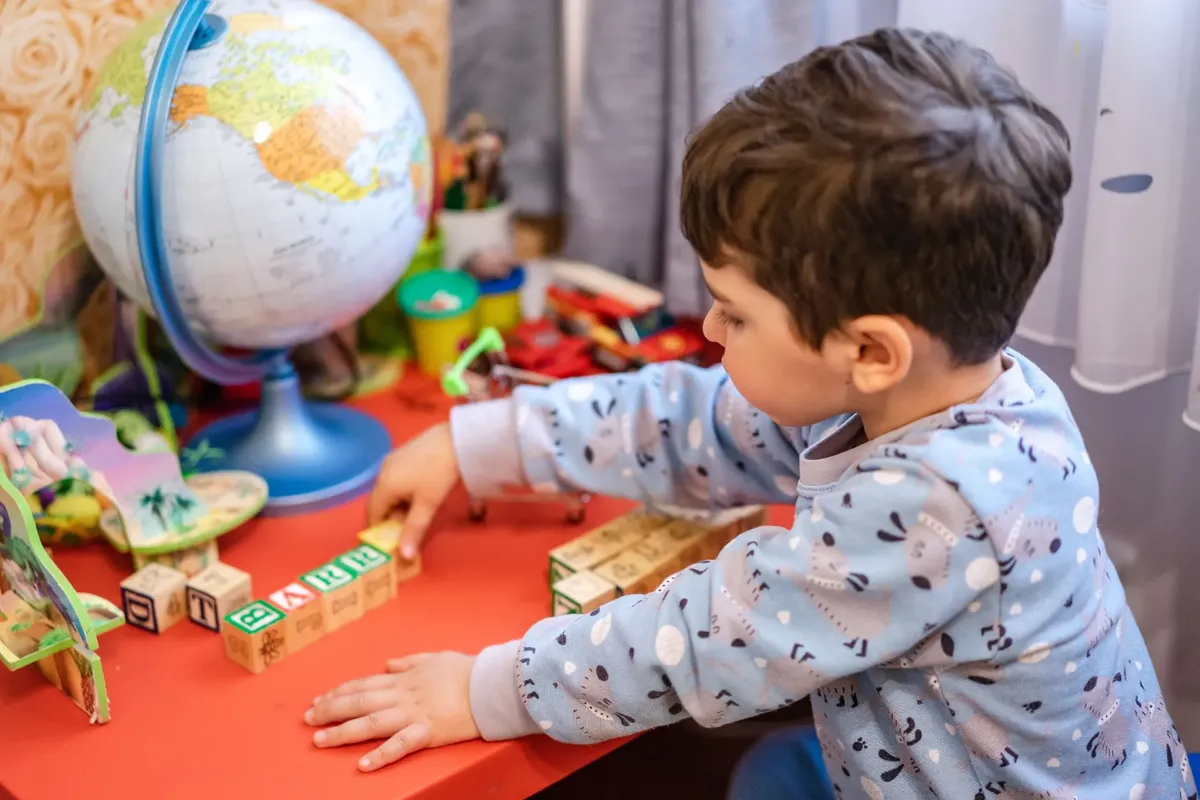
A child sits on a colorful rug, reaching for building blocks to create a tall tower. Engaging in active play serves as a primary driver for healthy growth and development.
According to the World Health Organization (WHO), promoting healthy growth and development is a fundamental aspect of childhood. Play serves as a natural medium to meet these developmental milestones.
By introducing varied sensory and cognitive challenges, caregivers can provide the necessary stimulation for building neural connections.
The process of engagement involves moving from simple tactile play to more complex problem-solving tasks. These activities ensure that the brain receives diverse inputs to process. Using different textures or building structures helps in refining motor skills and spatial awareness.
Engaging in active play stimulates neural connections and fosters cognitive flexibility. By introducing varied sensory experiences, caregivers can help strengthen the foundational pathways necessary for lifelong learning.
What are the best brain development games for toddlers?
A toddler focuses intently on a sand tray, moving grains of sand between fingers to form small hills. Structured play-based interventions often utilize specific tools to encourage focus.
The International Society for Sandplay Therapy defines guidelines for training in sandplay therapy as a way to facilitate therapeutic engagement. While typically used in professional settings, the concept of sensory-based play can be adapted for home use.
Using sand or similar materials helps children explore tactile boundaries.
Such activities are designed to help children express themselves and regulate emotions. For toddlers, these sensory experiences provide a bridge between physical movement and cognitive processing. Building a foundation of sensory play is an essential part of early learning through play.
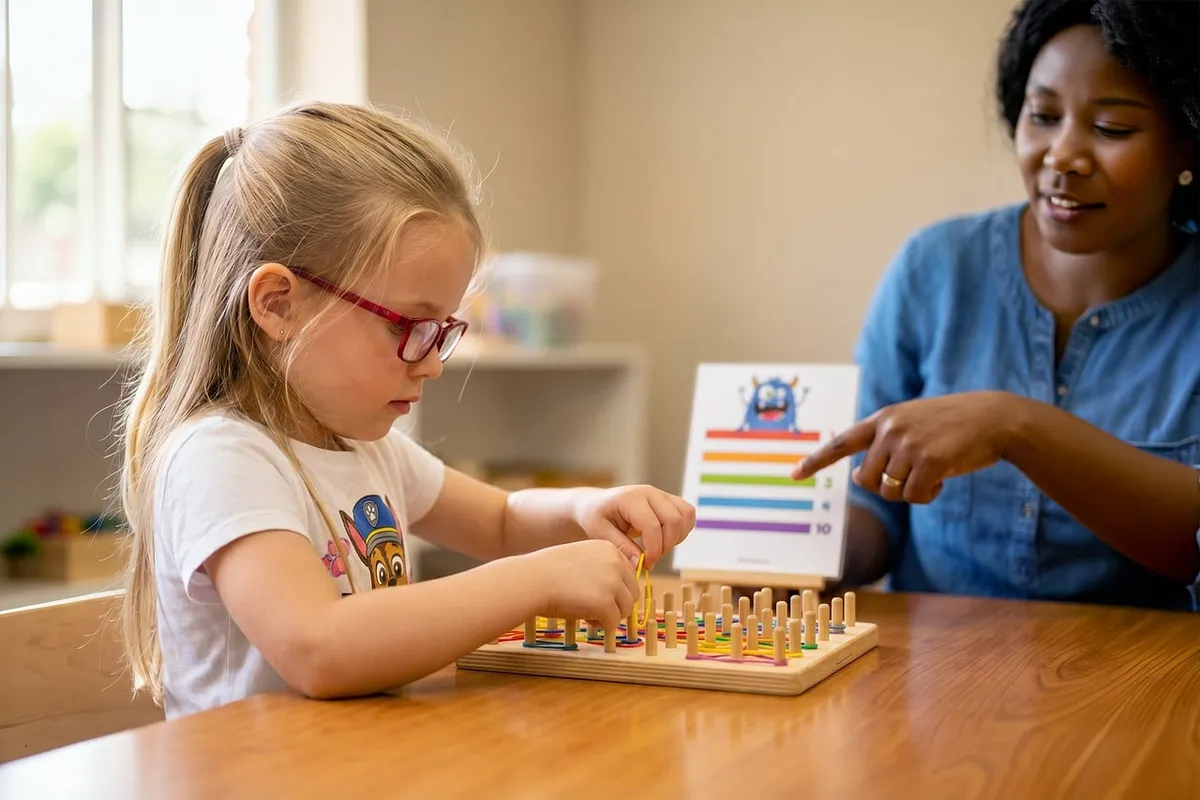
Effective games for this age group include simple puzzles to build spatial awareness, sorting tasks to develop categorization skills, and imitation games to enhance social cognition.
How can we use play therapy for young children?
A child sits quietly with a therapist, carefully arranging small figures in a miniature landscape. Professional guidance often utilizes specific methodologies to support emotional and cognitive health.
The Association for Play Therapy has a comprehensive list of play therapy books on their website to assist professionals in various techniques. These resources highlight how structured play can be used to address specific developmental needs.
Utilizing these professional insights can help parents understand the depth of play-based learning.
Play therapy techniques often focus on the child's ability to communicate and solve problems in a safe environment. By mimicking real-world scenarios through play, children practice social and cognitive skills. These games for brain power help build resilience and adaptive thinking.
Play therapy serves as a bridge for children to express emotions that they cannot yet verbalize. Through guided play, caregivers can help children process stress and build emotional resilience in a safe environment.
Can attention training be integrated into play?
A pilot-in-training focuses on a screen, but a child uses a similar logic to stay focused on a complex puzzle. Specialized training methods can be adapted to help children manage their attention.
Extended Attention Span Training (EAST), which was originally developed by NASA to gauge the attention of pilots, was remodeled as an ADHD aid. This transition shows how high-level cognitive training can be scaled down for developmental support.
Incorporating elements of sustained focus into play can help children practice concentration.

Training the brain to maintain focus requires consistent, engaging tasks that do not overwhelm the child. By slowly increasing the complexity of a task, caregivers can help children build their attention span. This helps in managing the natural fluctuations of focus during developmental stages.
Yes, attention training can be seamlessly woven into play through games that require focus, such as 'Simon Says' or scavenger hunts. These activities teach children how to direct their mental energy toward specific tasks.
What is the biological basis of brain growth?
A scientist looks through a microscope at the intricate web of neurons that make up the human brain. Understanding the hardware of the brain provides context for why play is so vital.
The brain is a complex organ where 10% of the total volume consists of the cerebellum and 50% of all neurons are held within its structure. This high density of neurons means that the brain is incredibly responsive to environmental stimuli.
The cerebellum's role in motor control and coordination makes physical play particularly effective.
The energy requirements of the brain also play a role in how it processes information. Most vertebrate species devote between 2% and 8% of basal metabolism to the brain. In primates, however, the percentage is much higher—in humans it rises to 20–25%.
This high metabolic demand underscores the importance of providing consistent, healthy stimuli through play.
Brain growth is driven by neuroplasticity, the brain's ability to reorganize itself by forming new neural connections. During early childhood, the brain undergoes rapid synaptogenesis, making it highly responsive to environmental stimuli.
How do we apply these play methods?
A parent sits on the floor, guiding a child through a series of matching games. Applying these concepts requires a balance of structure and freedom.
To implement these strategies, follow these steps:
- Identify the child's current developmental stage to select appropriate sensory or cognitive tasks. 2. Introduce activities that require sustained attention, such as puzzles or complex building, to practice focus. 3. Gradually increase the difficulty of the play to ensure continuous mental engagement.

Always perform a final check to ensure the activity remains playful and does not cause frustration. I found that adjusting the difficulty level based on the child's immediate reaction was the most effective way to maintain engagement.
| Feature | Description |
|---|---|
| Cerebellum Volume | 10% of total brain volume |
| Neuron Distribution | 50% of all neurons |
A limitation of these methods is that they are intended for developmental support and cannot address clinical neurological disorders without professional medical supervision.
- Observe the child's current interests to select appropriate play materials.
- Introduce gentle challenges that push their developmental boundaries.
- Rotate activities regularly to maintain engagement and curiosity.
Related





Comments 0