Baby food by age guide: Start solids after 6 months
"As recommended by the World Health Organization and several other health authorities across the world, there is no need to introduce solid food to a baby's diet until after 6 months."
A proper baby food by age guide focuses on transitioning from liquids to varied textures as the infant grows. For most infants, this journey begins after the first six months of breastfeeding or formula feeding and progresses toward family foods by 12 months.
Key takeaways include waiting until approximately 6 months to start solids, gradually increasing food texture, and ensuring milk remains a primary source of nutrition during the first year.
How should I start the baby food by age guide process?
At noon in the sunlit kitchen, I watch the baby grasp a tiny spoon with trembling fingers.
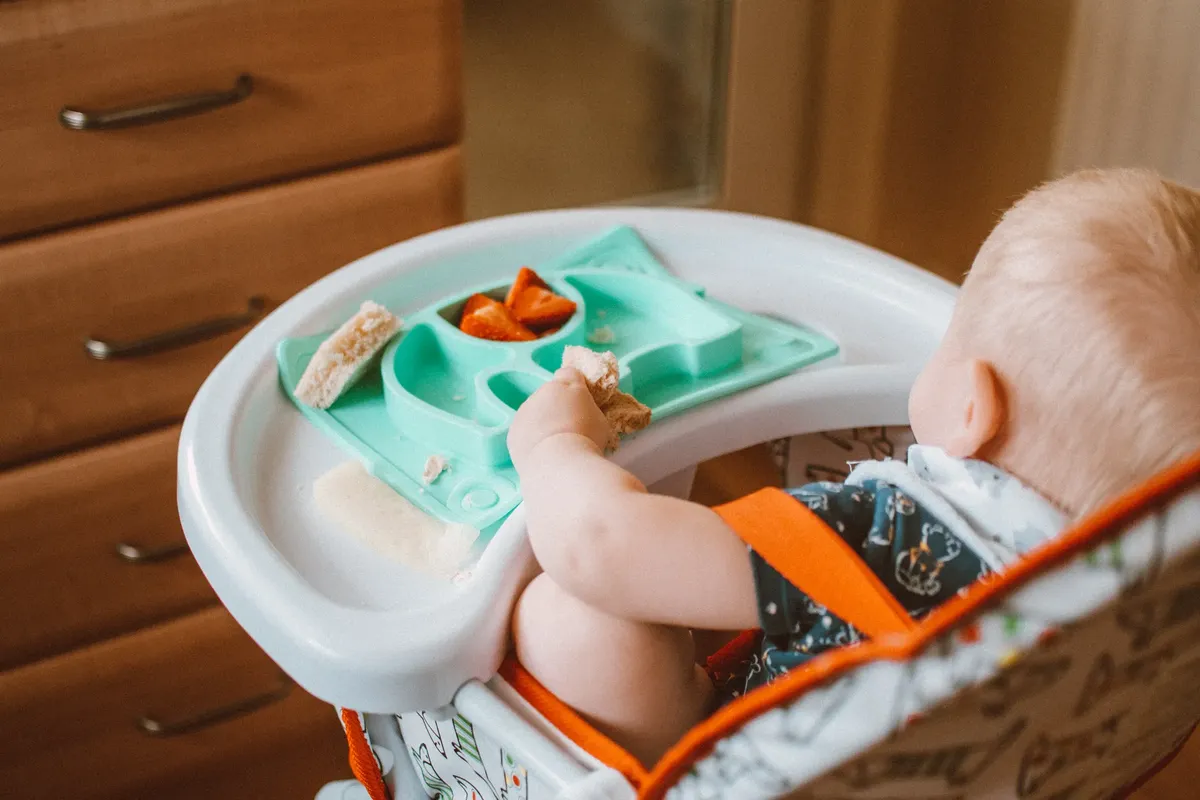
A parent sits on the kitchen floor, watching a small child reach for a colorful silicone spoon. The transition from milk to solids requires patience and an understanding of developmental readiness.
According to the World Health Organization, there is no need to introduce solid food to a baby's diet until after 6 months. This guidance ensures that the infant receives adequate nutrition through breastfeeding or formula during the critical early months.
While some babies might reach for food as early as 5 months, the standard recommendation remains focused on the 6-month milestone.
The introduction of solids is a gradual process that balances new flavors with existing nutrition. Babies typically begin to develop the necessary physical skills around this time.
These include the ability to sit up without support, bring food to the mouth, and manage the mechanics of chewing and swallowing.
What are the stages of infant food stages?
A caregiver carefully blends soft vegetables into a smooth puree, preparing for the first taste. The texture of the food must evolve alongside the baby's growing physical capabilities.
Current World Health Organisation guidance recommend that infants are initially offered smoothly blended foods, progressing in texture as the infant until by 12 months, infants should be eating family foods.
This progression allows the digestive system and oral motor skills to adapt to different consistencies.
During the first year, milk remains a vital component of the diet. Formula or breastfeeding is continued in conjunction with complementary foods and is always offered before solids in the first 12 months.
This ensures that the infant's caloric and nutritional needs are met while they explore new tastes.
| Age Range | Primary Food Texture |
|---|---|
| 6 Months | Smoothly blended foods |
| 12 Months | Family foods |

I watched my nephew transition from smooth purees to thicker textures, noting how his ability to swallow improved with each stage.
How do I manage weaning food chart transitions?
An empty bowl sits on the high chair tray as a parent prepares the next meal. Moving from purees to more complex textures is a significant step in a child's nutritional development.
Ideally, infants should be breast fed for about the first six months, and then be gradually introduced to solid food between the age of six and 12 months. This window provides a structured way to introduce a range of foods to provide a balanced diet from around 6 months.
As the child grows, the variety of food increases to meet expanding nutritional requirements. While purees are common, whole foods are recommended from 8 months, but alongside purees, rather than as the main diet.
This approach helps prevent the child from becoming too reliant on a single texture too early.
What are the tips for age specific purees and textures?
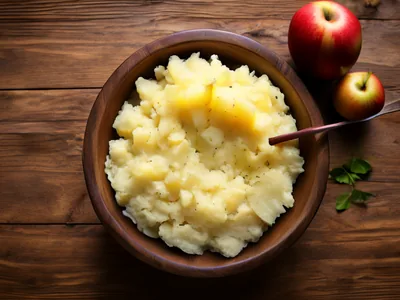
A parent stirs a spoon through a soft mash, checking the consistency of the meal. Selecting the right texture is essential for safety and developmental success.
The transition involves moving through several distinct phases of food consistency.
- Start with smoothly blended foods that are easy to swallow. 2. Gradually introduce thicker textures as the infant's swallowing skills improve. 3. Transition toward family foods by the time the infant reaches 12 months.
Always check for physical readiness before moving to the next stage. A final check involves ensuring the child can sit unsupported and shows interest in food.
How can I follow a healthy baby food plan for my child?
A caregiver prepares a tray of soft, finger-sized vegetables for a hungry toddler. A balanced diet is built on a foundation of variety and appropriate timing.
A healthy baby food plan relies on the gradual introduction of diverse ingredients. Infants are offered a range of foods to provide a balanced diet from around 6 months. This variety helps expose the child to different flavors and nutrients necessary for growth.

It is important to remember that milk is still a primary source of nutrition. The time period from 6 to 18–24 months of age is when the risk of malnutrition is high in infants and the role of breastmilk or infant formula remains important throughout this period.
Maintaining this balance is key to long-term health.
- How should I start the baby food by age guide process?
- What are the stages of infant food stages?
- How do I manage weaning food chart transitions?
The subject here is Baby food by age guide.
The same subject is also called Baby food selection tips.
This part also covers Starting solids for babies.
This part also covers Milestone feeding guide.
Related
- Baby food by age guide: Start solids after six months
- Baby sleep routine by age: How to guide sleep transitions
What precautions should I take during texture progression? The progression of food texture demands careful observation of the infant's abilities. A caution exists that introducing textures too quickly might overwhelm the infant's developing swallowing mechanisms. Parents should monitor the child's reaction to each change in food consistency.
The recommended approach suggests that the infant must demonstrate physical readiness before advancing the food type. This means the child should be able to sit up without support and show engagement with the food being offered.
When moving past smooth purees, the caregiver must ensure the new texture is still manageable for the infant. The World Health Organization's recommendations imply that the change should be incremental to allow adaptation.
How does milk continue to play a role?
Milk remains a crucial element of the infant's nutritional intake throughout the first year of life. Formula or breastfeeding must continue alongside the introduction of complementary foods. This practice ensures that the infant receives sufficient calories and nutrients from milk.
Maintaining this balance between milk and solids is vital for the infant's long-term health. The role of milk does not diminish while solids are being explored.
The recommended schedule positions milk as the primary source of nutrition during the initial phase. This foundation supports the infant while they learn to process different food types.




Comments 0