Baby food by age guide: Start solids after six months
"The transition to solid foods is a significant milestone that requires careful timing and preparation to ensure the best nutritional foundation for a growing child."
A baby food by age guide typically centers on the transition from milk to solids, which generally begins around six months. This guide covers the timing for starting solids for babies, the importance of nutritional education, and the developmental progression of feeding skills.
When should I start feeding my baby solids?
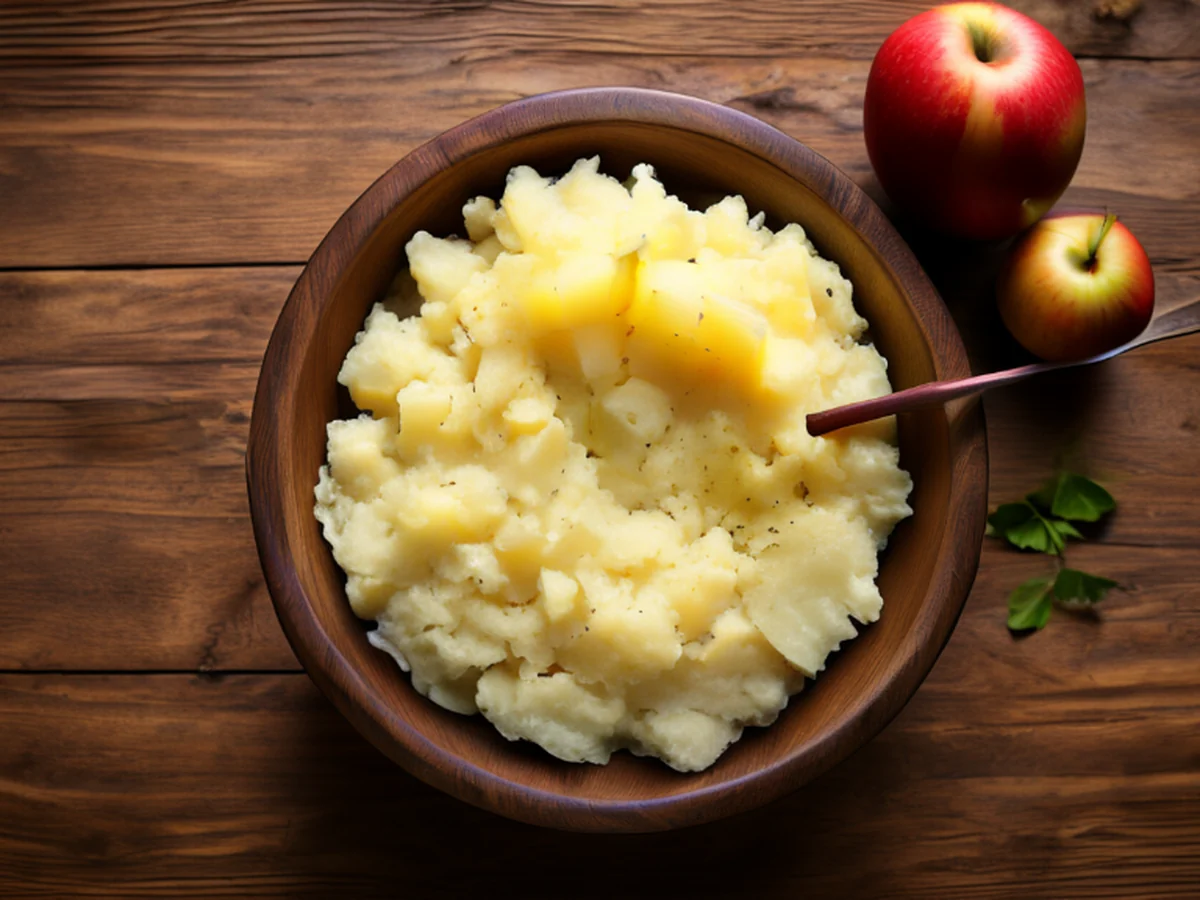
At dawn in the quiet nursery, I watch my baby reach for a spoon with wide, hungry eyes. In the quiet nursery at dawn, I watch my baby sit upright and reach for a spoon with hungry eyes.
A parent sits in a quiet nursery, holding a small spoon and looking at a clock, wondering if their child is truly ready for their first taste of food. The American Academy of Pediatrics recommends feeding a baby only breast milk for the first six months of its life.
Wait for the six-month mark to ensure the infant's digestive system and developmental needs are met.
According to the American Academy of Pediatrics, the World Health Organization, the National Health Service Choices UK, and the National Health & Medical Research Council in Australia, it is recommended to wait until six months to introduce baby food.
This collective guidance ensures that infants receive optimal nutrition during their initial growth phase.
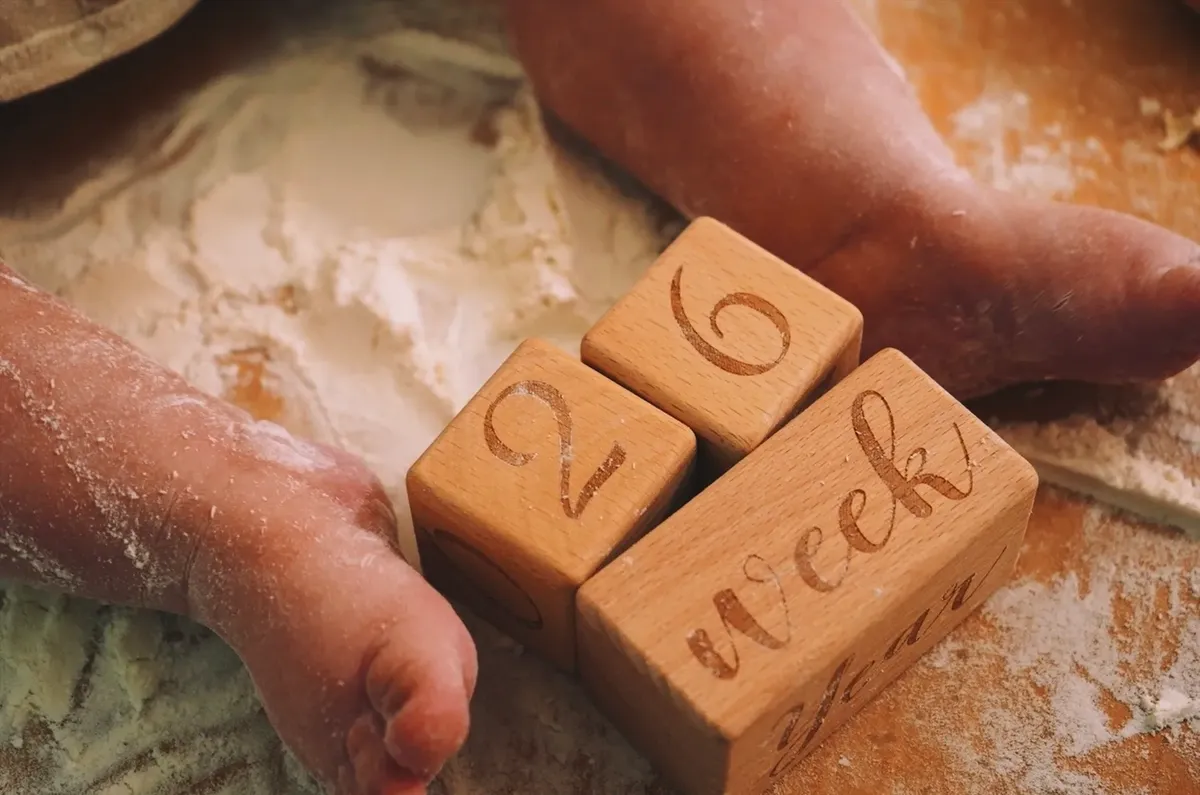
A weaning schedule guide focuses on moving from liquid to solid textures as the child matures. While the term "weaning" can vary in meaning—referring to the introduction of solids in the UK and the cessation of breastfeeding in the US—the goal remains consistent: gradual nutritional transition.
- Monitor for physical signs of readiness, such as sitting upright with minimal support.
- Observe for developmental milestones like good head control.
- Watch for interest in food during family meals.
How can nutrition education improve my baby's food plan?
While standing in the bright kitchen, I grip a nutrition pamphlet and feel a sense of relief regarding my baby's future meals. A caregiver reads a nutrition pamphlet while preparing a meal, considering how current choices affect long-term growth. Research indicates that family-centered learning can influence physical development.
Evidence from clinical trials shows that nutrition education of family members about infant weaning practices probably has a positive effect on babies' weight and height at 12 months compared with conventional management of weaning.
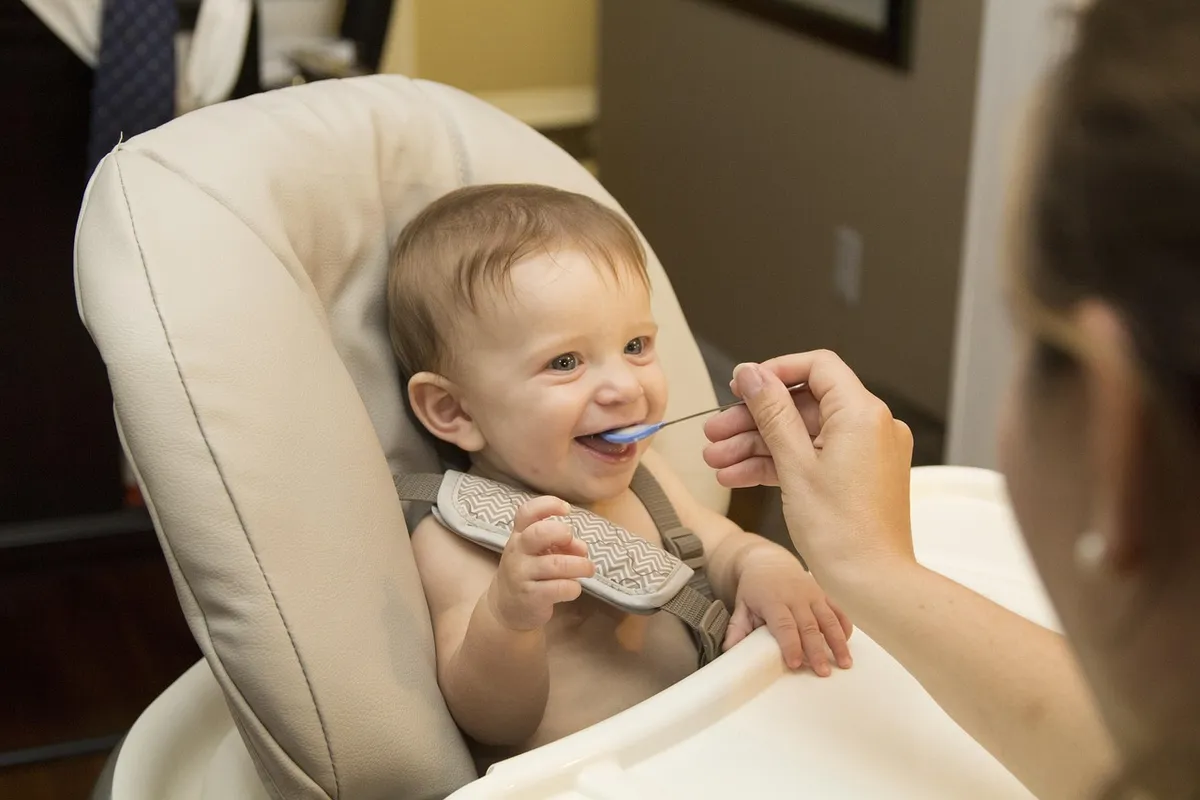
Providing parents with accurate information helps set a healthy trajectory for the infant's physical milestones.
A well-structured monthly baby food plan should prioritize healthy growth patterns. By understanding the impact of dietary education, caregivers can better manage the transition from milk to varied food textures.
In this sequence, the second step is the most detailed.
How do infant feeding stages progress with utensil use?
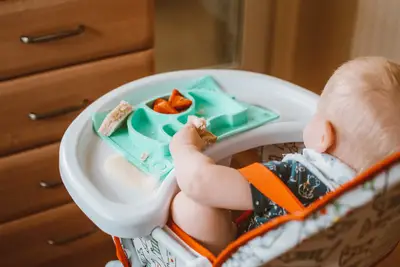
A toddler sits in a high chair, clumsently gripping a plastic spoon as they attempt to scoop mashed vegetables. The journey from purees to self-feeding involves several gradual developmental steps.
Many babies begin using utensils between 10 and 14 months, but most will not be able to feed themselves sufficiently well until about two or three years of age. This progression shows that fine motor skills develop alongside dietary changes.

Infant feeding stages require patience as the child moves from being fed to practicing independent motor skills. As they grow, the complexity of food textures and the ability to handle tools will naturally increase.
How can I manage the transition to solid foods?
A parent prepares a small bowl of soft food, carefully checking the consistency before offering it to the baby. Managing this transition requires a structured approach to ensure safety and nutritional adequacy.
- Wait until the infant reaches the recommended six-month milestone for food introduction. 2. Introduce single-ingredient foods to monitor for any reactions or preferences. 3. Gradually increase food textures as the baby's swallowing and motor skills improve.
I observed how much focus was required to balance the timing of these steps during the initial introduction phase. This process serves as a foundation for future eating habits.
What are the limitations of a baby food by age guide?
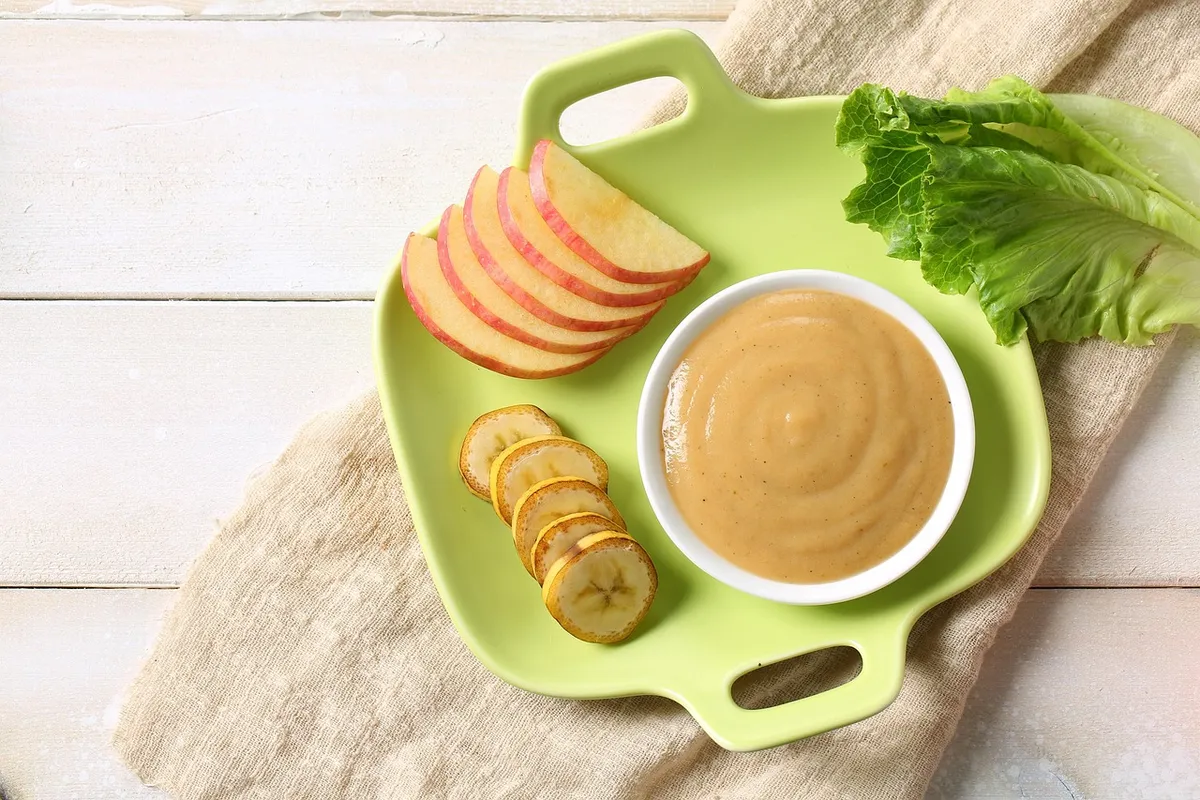
A caregiver looks at a growth chart, noting how individual child development can sometimes vary from standard guidelines. While general guidelines provide a roadmap, every child's pace is unique.
A limitation of these general guidelines is that they may not account for the specific developmental readiness or health needs of every individual infant.
The subject here is Baby food by age guide.
This part also covers Best first foods for infants.
This part also covers Nutrient needs by age.
This part also covers Safe food introduction tips.
Best first foods for infants
Related
- How to start sleep routine through early bonding?
- Public broadcasting for kids: 44 hours Tips to find content
What are the conditions for a successful solid food transition?
The successful transition to solid foods depends on meeting several developmental conditions. 1. The infant must demonstrate the physical ability to sit upright with minimal support. 2. Good head control must be observable as a developmental milestone. 3. Interest in food during family meals should be evident. These conditions help ensure the infant is prepared for the dietary change.
How does nutritional education impact the solid food transition?
Nutrition education provides caregivers with accurate information that helps set a healthy trajectory for the infant's physical milestones. Evidence from clinical trials suggests that family-centered learning influences physical development. This education helps caregivers better manage the transition from milk to varied food textures.
Caregivers should monitor for physical signs of readiness before initiating the solid food transition. Observing developmental milestones like good head control is also important for a smooth progression. Interest in food during family meals serves as another indicator that the child is ready for the new diet.




Comments 0