How Rita 2.0 do we foster responsible digital citizenship?
The subject here is Family guide for online safety.
"The digital landscape is not a place to be feared, but a terrain that requires a map and a compass for every young traveler."
Creating a safe online environment for children requires proactive engagement, clear communication regarding privacy, and an understanding of digital citizenship.
This guide provides practical steps for families to establish boundaries, utilize educational resources, and manage privacy concerns in an increasingly connected world.
How do we foster responsible digital citizenship?
A parent sits at a wooden kitchen table, watching a child navigate a tablet with curious fingers. Developing responsible habits starts with teaching children how to interact with others respectfully and safely in virtual spaces.

According to the Family Online Safety Institute and Telstra, a forum titled Global Digital Citizenship: Encouraging Safe and Responsible Online Use was hosted on June 24, 2013, to address these very themes.
This initiative highlighted the importance of teaching children to be active, informed, and responsible members of the online community.
By treating the internet as a shared social space rather than just a tool, families can cultivate a sense of accountability. This involves discussing the consequences of online actions and the importance of empathy when communicating with strangers or peers.
Accountability in this shared space requires children to understand that their actions affect others, even if those others are not physically present. Empathy must be taught as a way to consider the emotional impact of digital communication on peers and strangers alike.
What role does privacy play in online safety? Family guide for online safety
A teenager adjusts their privacy settings on a smartphone, squinting at the screen in the dim light of a bedroom. Understanding the nuances of data protection is essential as children grow and their digital footprints expand.
The Family Online Safety Institute partnered with Microsoft on December 23, 2011, to host a panel discussion regarding "Kids, Privacy, & Online Drama" at the Microsoft Innovation and Policy Center.
This discussion addressed the intersection of youthful social dynamics and the permanence of digital data.
Families can implement a three-step approach to manage these risks:
- Audit privacy settings regularly on all social media and gaming platforms used by children. 2. Discuss the concept of a "digital footprint" and how shared information remains accessible. 3. Establish clear rules regarding what personal details, such as location or full names, are never to be shared.
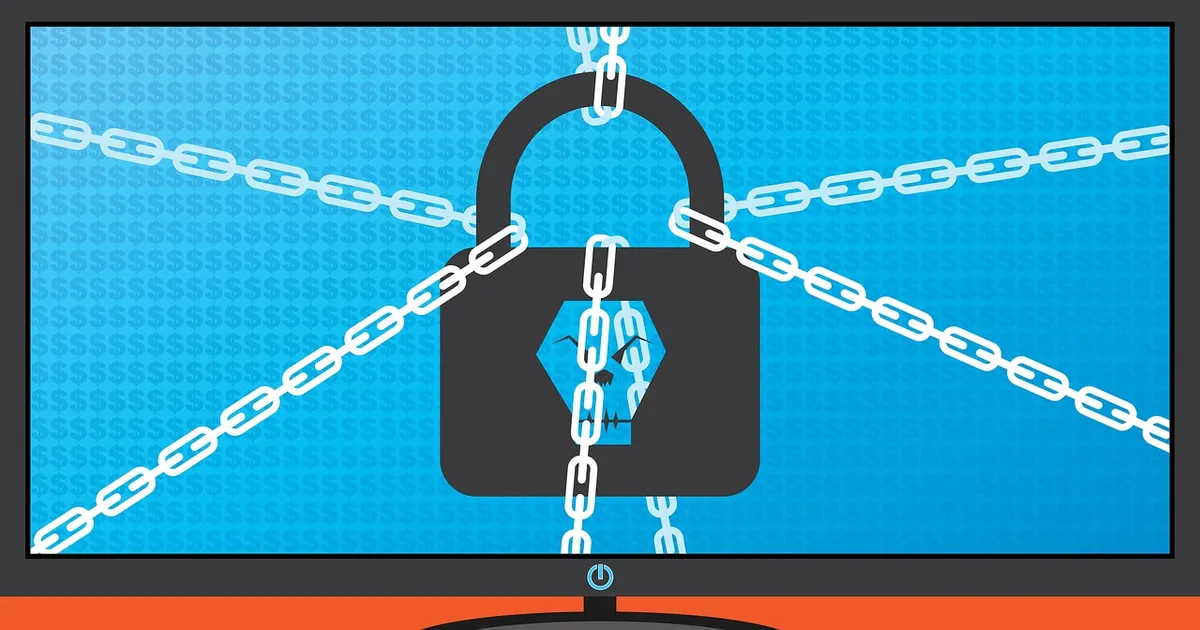
A final check involves reviewing these settings together once a month to ensure they still align with the child's growing autonomy. The permanence of digital data means that even seemingly harmless shared information can be retrieved and used later.
Caution must be exercised when discussing the digital footprint, as its scope extends beyond immediate social interactions.
How can we address legal and regulatory protections?
A lawyer reviews a stack of documents regarding child protection laws in a quiet office. While families set local rules, understanding the broader legal frameworks helps parents recognize the standards for data protection and platform accountability.
The Family Online Safety Institute partnered with TechFreedom on October 12, 2011, to host a luncheon panel at the Reserve Officers Association. This event involved experts discussing the Federal Trade Commission's proposed revisions to the Children's Online Privacy Protection Act (COPPA).
| Topic | Focus Area |
|---|---|
| COPPA Revisions | Children's Online Privacy |
| Digital Citizenship | Responsible Online Use |
I remember sitting in a seminar where the complexity of these regulations was laid out, making the need for parental oversight even clearer. These legal frameworks serve as a baseline for platform responsibility, but they do not replace the need for active parental guidance.
Legal compliance is a necessary condition, yet it does not guarantee safety on its own. Parents must recognize that regulatory standards provide a minimum level of protection, not a complete shield against online risks.
How can education supplement home rules?
A teacher stands before a classroom, pointing to a digital presentation on a screen. Education is a continuous process that involves both formal instruction and informal discussions at home.
On June 13, 2008, the Family Online Safety Institute and the Oxford Internet Institute cohosted a roundtable titled 'Educating Rita 2.0—Effective Methods and Messages in Online Safety Education'. This collaboration focused on finding effective ways to convey safety messages to younger users.

In cases where children are already deeply embedded in specific gaming ecosystems, such as those where a significant percentage of users are under 13, education must be tailored to the specific platform's environment.
This ensures that the lessons learned at home are applicable to the specific digital tools the child uses daily. Tailoring education is a condition of effectiveness, meaning the safety lessons must relate directly to the features and risks inherent in the platform the child is using.
The scope of the safety education must match the operational context of the digital tool.
What are the practical steps for establishing a family digital contract?
A family gathers in a living room to write down a list of rules on a large sheet of paper. A formal agreement can help clarify expectations and reduce conflict regarding screen time and content.
- Define specific "tech-free" zones and times, such as during meals or before bedtime. 2. Set clear consequences for violating privacy or safety rules, such as temporary loss of device access. 3. Create an "open door" policy where children feel safe reporting uncomfortable online encounters without immediate fear of punishment.
A final check ensures that the rules are applied consistently to both children and adults in the household. The effectiveness of the "open door" policy depends on establishing a climate of trust, ensuring that the child believes their concerns will be heard rather than immediately judged.
Consistency in applying the rules is a condition that reinforces the contract's authority and fairness within the family structure.
What is the importance of consistent parental oversight?
Parental oversight is crucial because legal frameworks only establish a baseline for platform responsibility. Active guidance is needed to bridge the gap between general regulations and a child's specific online behavior.
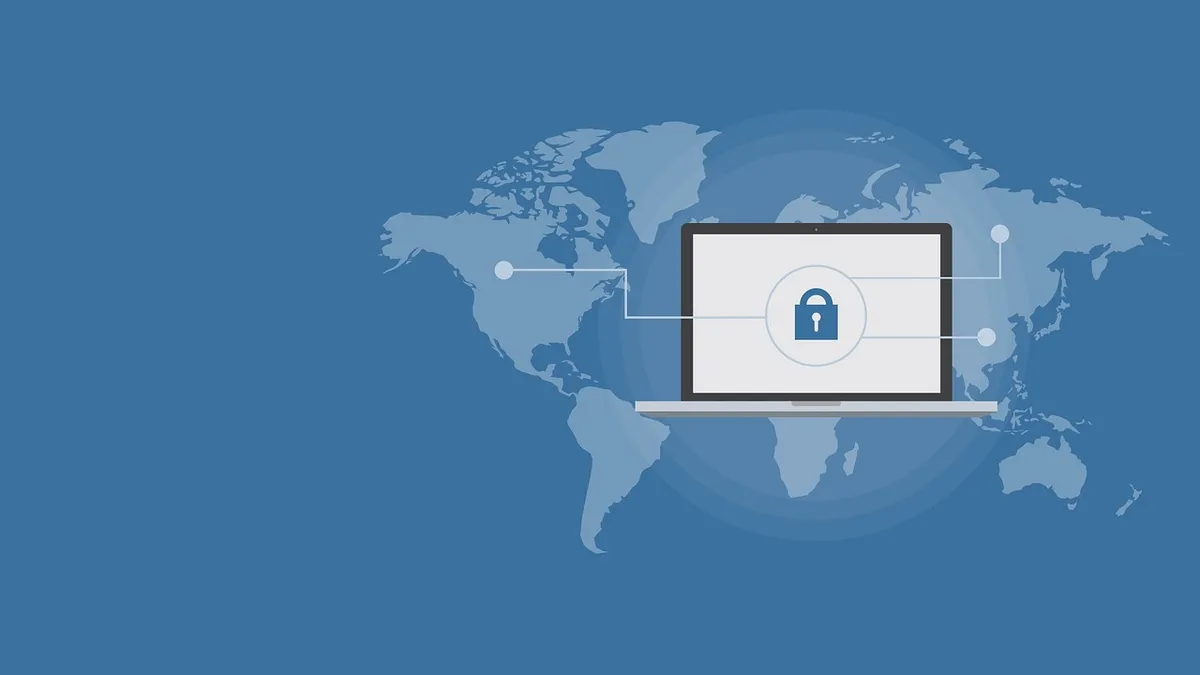
Oversight must be continuous, not merely a one-time setup, to address the evolving nature of digital risks. The monthly review of privacy settings is an example of this necessary continuous oversight.
- How do we foster responsible digital citizenship?
- What role does privacy play in online safety?
- How can we address legal and regulatory protections?
The subject here is Family guide for online safety.
The same subject is also called Safe digital environment.
The same subject is also called Protecting kids online.
The same subject is also called Digital citizenship guide.
The same subject is also called Internet safety for family.
This part also covers Global standards for kids.
This part also covers Building digital literacy.
This part also covers Child protection online.
Global standards for kids
Related








Comments 0