Public broadcasting for kids: 44 hours Tips to find content
"The television medium can and has been used for a multitude of educational purposes."
Effective public broadcasting for kids involves selecting content that prioritizes instructional value over mere entertainment. This guide helps parents navigate the shift in media quality to find meaningful learning through TV.
Key takeaways include identifying highly educational programming, understanding the history of content quality, and utilizing specialized channels for structured learning.
Why is choosing quality public broadcasting for kids important?
At dusk in the living room, I squint at the flickering screen while pondering how to select meaningful public programming for my child.
A parent sits on a sofa, watching a bright screen as colorful characters dance through a digital forest. The rapid movement makes it hard to distinguish between a lesson and a distraction.
The landscape of children's media has shifted significantly over time. The Annenberg Foundation found that the number of network television shows deemed to be "highly educational" from 1990 to 1998 fell from 43% to 29%.
This decline suggests that caregivers must be more intentional when selecting content.
Finding the right balance requires understanding that not all screen time provides the same value. While the average American child spends 44 hours a week with electronic media, the quality of that time remains the primary concern for development.
Using public TV for learning helps bridge the gap between passive consumption and active engagement.
However, the benefits of high-quality programming may be limited if children lack active engagement with the content.
How can we find the best children media?
A child reaches for a remote, scrolling through endless vibrant thumbnails that promise excitement but offer little substance.
To identify high-quality content, caregivers should look for programming that aligns with developmental milestones. Learning through TV should ideally supplement school-based curriculum or provide foundational social-emotional skills.
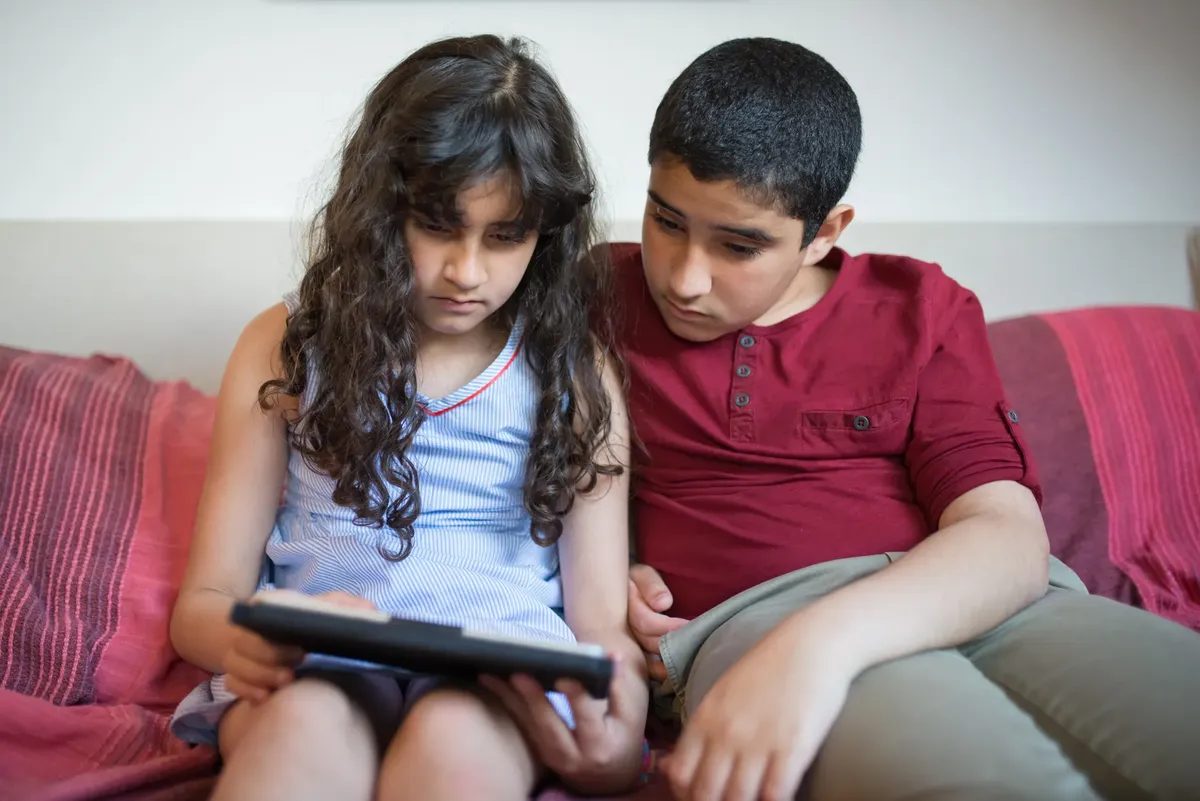
Effective selection involves looking for specific traits: 1. Check for instructional depth rather than just repetitive visual stimulation. 2. Verify if the content aligns with recognized educational standards. 3. Look for shows that encourage problem-solving or curiosity.
I remember checking the educational rating of a specific series to ensure it met our household's standards for cognitive engagement. This proactive approach ensures that the time spent with the screen is purposeful.
- Evaluate the educational objectives of the content.
- Check for age-appropriate pacing and complexity.
- Verify the reliability of the information presented.
What are some examples of kids educational shows?
A student sits at a desk, watching a screen that explains the intricacies of the solar system with clear, methodical pacing through public broadcasts.
A student sits at a desk, watching a screen that explains the intricacies of the solar system with clear, methodical pacing.
Publicly funded networks have a long history of providing structured content. Organizations like the Public Broadcasting Service (PBS), TVOntario, and NHK Educational TV have long been staples for families seeking reliable programming.
These networks often focus on literacy, science, and social studies.

The variety of available media is vast, ranging from simple storytelling to complex science demonstrations. Using these resources wisely allows parents to turn a screen into a tool for discovery.
| Feature | Network Era (1990-1998) | Modern Era |
|---|---|---|
| Highly Educational Content | 43% | 29% |
I find that the third example provides the most diverse range of topics.
How do we apply media literacy for children?
A teenager sits with a parent, discussing the difference between a commercial and a meaningful educational segment.
Applying media literacy for children starts with active engagement. Instead of leaving the child alone with the device, parents can treat the viewing as a shared activity. This transforms a solitary act into a dialogue about what is being learned.
- Watch a segment together to observe the child's reaction to the information. 2. Ask open-ended questions about the characters' choices or the scientific concepts presented. 3. Relate the show's themes to real-world experiences or school lessons.
This approach may not be effective if the child is not yet developmentally ready to process critical information.
Can adult education serve as a model for kids?
An adult student watches a lecture on a television screen, taking notes for a college course.
The concept of instructional television extends beyond the youngest viewers.
There are also adult education programs for an older audience; many of these are instructional television or "telecourse" services that can be taken for college credit, such as the Open University programs on BBC television in the UK.
This history of instructional media shows that television can be a serious academic tool. While children's programming is more visual, the underlying goal of structured, curriculum-based delivery remains a valuable standard for all ages.
I believe the final point in this discussion is the most crucial for long-term application.
Wikipedia: Child
The subject here is Public broadcasting for kids.
This part also covers Guide to kid content choice.
This part also covers Using public TV wisely.
Related
- K-12 curriculum goals: Why standards impact student success
- School meal nutrition standards: 30 years of reform guide
How does active engagement improve the educational value of the television medium?
Active engagement transforms the passive consumption of television into a meaningful learning experience for children. When parents engage with the content, they help bridge the gap between simply watching and truly absorbing the lessons presented. This shared activity ensures that the child is not merely observing the bright screen but is actively processing the information.
When discussing the scientific concepts presented, for instance, the parent can elaborate on the information shown on the television medium, thereby deepening the child's understanding. Asking open-ended questions about the characters' choices encourages critical thinking, which is a key component of effective learning. Relating the show's themes to real-world experiences allows the abstract concepts presented in the television program to become concrete and relevant to the child's life. This dialogue turns the television viewing into a tool for discovery, aligning with the goal of utilizing public TV for learning.







Comments 0