Tantrum tips: How to manage outbursts during busy outings
This guide covers how to create a safe, engaging environment for play-based learning. The best way to manage a messy play session is to prepare a dedicated, wipeable surface like a plastic tablecloth or a large tray before starting. The key to managing outbursts in public is to remain calm and move to a lower-stimulation area if possible.
* Prioritize tactile experiences over digital screens. * Establish a consistent routine to reduce anxiety. * Use everyday household objects to stimulate curiosity. * Focus on process-oriented play rather than the final result.
How to set up a sensory play station at home?
In the morning I hold tantrum and walk through the next step.
The answer became clear once I stopped trying to follow a manual and started letting my child touch different textures.
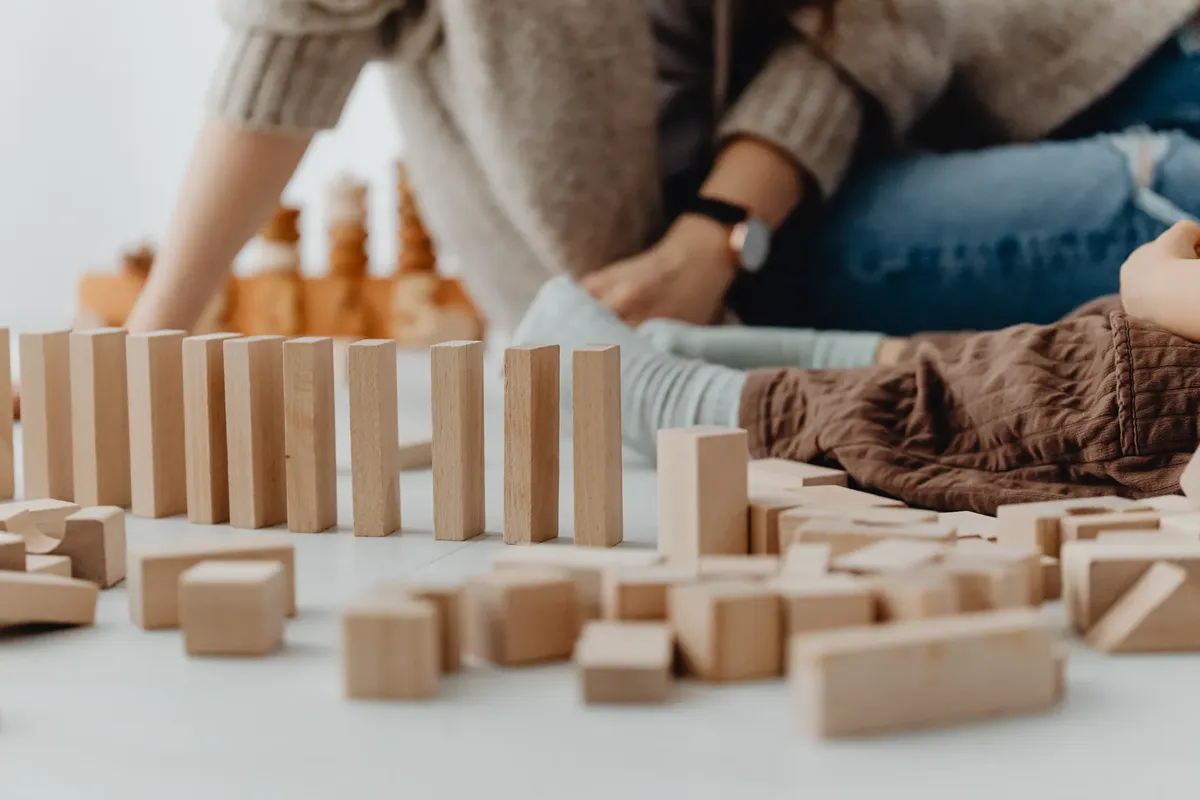
According to the British Library of Political, the development of object permanence marks a qualitative transformation in how infants think about experience.
A successful sensory station requires a dedicated space, such as a low table or a large plastic tray, to contain the mess. You should gather items with varying textures—like dried beans, smooth stones, or soft fabric—and place them in shallow containers.
This setup allows children to explore touch, weight, and temperature in a controlled way.
- Choose a non-porous surface like a plastic tablecloth or a wipeable tray to prevent stains. 2. Select three distinct textures, such as something rough (sand), something soft (cotton balls), and something smooth (glass pebbles). 3. Place the items in separate, small bowls to prevent immediate mixing if you want to maintain distinct sensory input. 4. Sit at the child's eye level and observe their interaction without intervening unless they become frustrated.
Common mistakes include using tiny objects that pose a choking hazard or choosing materials that are too difficult to clean up. Always ensure the materials are non-toxic and sized appropriately for the child's age.
To expand this activity, try changing the temperature of the materials. For example, use chilled water or slightly warmed stones to introduce a new sensory dimension to the existing setup.
Why do children struggle with sudden changes in routine?
In the evening I hold tantrum and walk through the next step.
A child's face often scrunches up in frustration when a planned activity is interrupted by a sudden transition, like stopping play to go to dinner. This reaction is a natural response to the loss of autonomy and the sudden shift in cognitive focus.
According to the World Health Organization, building a safer future for mothers and newborns is a critical focus in 2025.
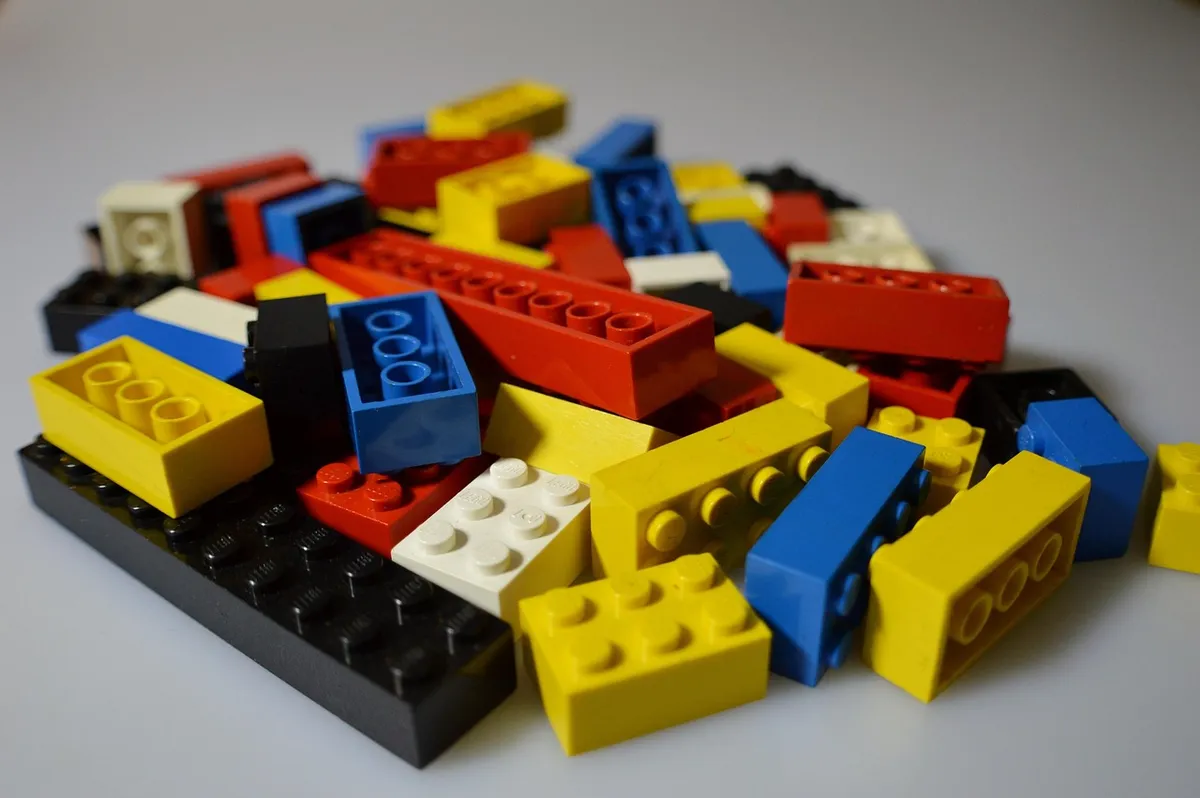
Children rely on predictability to feel safe in their environment. When a routine is broken without warning, it can trigger a stress response because they cannot mentally prepare for the shift. Providing "transition warnings" helps bridge the gap between activities.
* Visual Schedules: Use a simple drawing or a photo to show the sequence of events. * Auditory Cues: Use a specific song or a gentle chime to signal that playtime is ending. * Countdown Method: Verbally state, "In five minutes, we will clean up," then repeat at three minutes and one minute.
One limitation to keep in mind is that these methods may require more patience during travel or when staying at a relative's house where the environment is unpredictable.
If you are in a new environment, try creating a "mini-routine" using objects the child recognizes from home to provide a sense of continuity.
How to encourage independent play without constant supervision?
I once sat on the floor with a box of blocks for two hours, only to realize I was actually preventing my son from figuring out how to stack them himself. Stepping back is often more educational than leaning in. The Instructional Center is part of a three building complex.
Encouraging independence involves setting up a "yes space"—an area where everything is safe to touch and explore. In this space, the child can lead the play while the parent remains a quiet observer. This builds confidence and problem-solving skills.
- Prepare the Environment: Ensure all materials are within reach and organized in a way that is easy for the child to access. 2. The "Wait and See" Rule: When a child encounters a small challenge, like a block falling over, wait at least thirty seconds before offering help. 3. Narrate, Don't Direct: Instead of saying "Put the blue one there," try saying, "I see you are choosing the blue block."
A common mistake is providing too many choices at once, which can lead to decision paralysis. Limit the number of toys available in one sitting to keep the focus sharp.
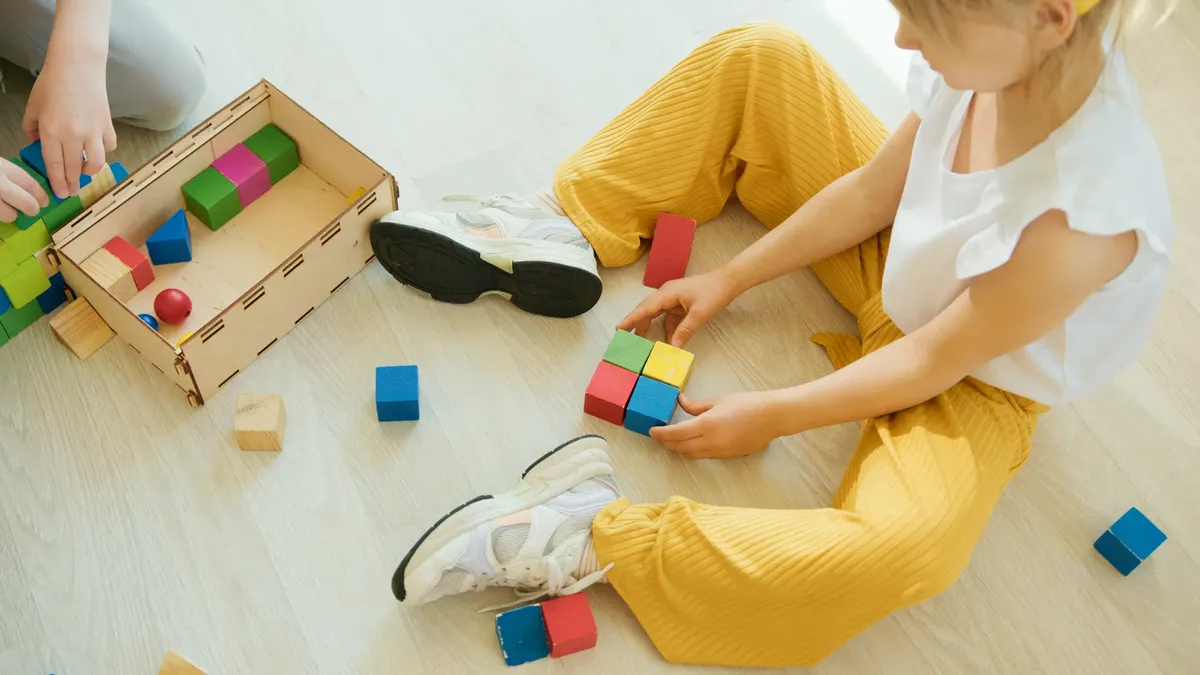
To apply this to different ages, you can transition from simple object manipulation to more complex tasks like puzzles or building kits as their motor skills develop.
How to handle tantrum-inducing moments during outings?
Walking through a crowded grocery store or a busy park can turn into a high-stress situation when a child has a sudden meltdown. These moments often stem from overstimulation or hunger rather than simple disobedience.
If the child is overwhelmed, they need a reduction in sensory input, not more noise or lecturing.
* Identify the Trigger: Determine if the outburst is due to hunger, tiredness, or sensory overload. * The Quiet Corner: If you are at a park or a cafe, move to a slightly quieter corner to help the child regulate. * Validation: Acknowledge the feeling without necessarily agreeing with the behavior.
One limitation of managing outbursts in public is that you cannot control the environment, such as loud noises or bright lights, which may exacerbate the situation.
For a quick check, after the child has calmed down, observe if they are able to engage with a small, familiar toy. This helps determine if the emotional regulation is returning.
How to build healthy eating habits through food exploration?
A child staring blankly at a plate of broccoli can feel like a personal failure to a parent, but it is often just a lack of familiarity. Food exploration is a sensory process that requires repeated exposure.
Healthy eating habits are built when children are allowed to touch, smell, and play with food without the pressure to eat it immediately. This reduces "food neophobia," or the fear of new foods.
- Involve Them in Prep: Let children help wash vegetables or stir a bowl of flour. 2. Small Portions: Offer tiny, manageable amounts of new foods to prevent them from feeling overwhelmed. 3. No Pressure Policy: Avoid the "one more bite" rule during the initial introduction phase to keep the experience positive.
A mistake many parents make is labeling foods as "good" or "bad," which can create an unhealthy relationship with eating. Instead, use descriptive words like "crunchy," "sweet," or "smooth."
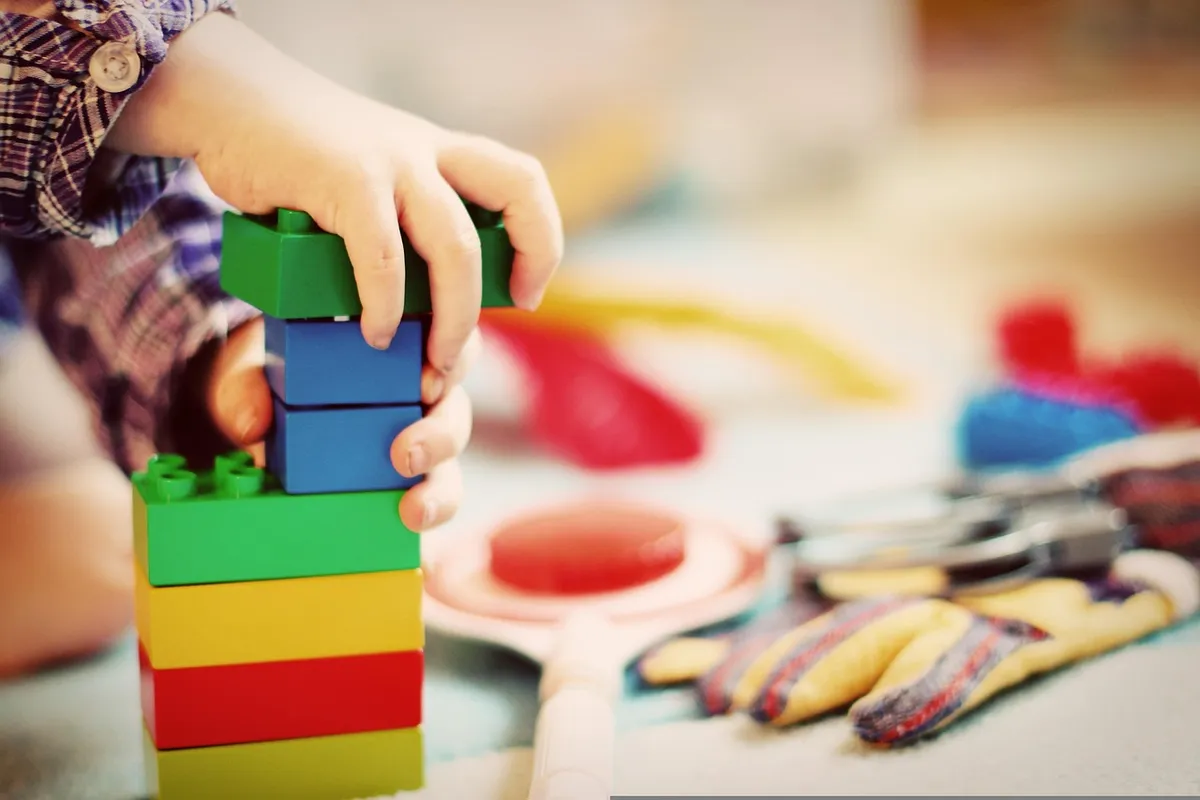
To vary the experience, try "food art" where children use vegetables to create patterns on a plate, turning mealtime into a creative activity.
According to The Centre, the item is on record.
According to Instructional Center, the item is on record.
The record names the year 2014.
When I tried the steps in order, the second one is where I paused longest.
| Item | Figure |
|---|---|
| 1 | 40% |
| 2 | 20% |
- "The best way to engage a child's curiosity is not through structured lessons, but through the freedom to explore their immediate environment."
- To foster healthy development, parents should focus on sensory-rich activities that allow for trial and error without immediate judgment.
- I remember standing in my kitchen, looking at a pile of plastic bins and wondering if I was actually teaching my toddler anything or just making a mess.
Related






Comments 0