Baby outing checklist by age: How to manage toddler outings
"A successful outing starts long before you step out the door, requiring a balance of preparation and adaptability to meet a child's changing needs."
This guide covers essential preparation for infants and toddlers, focusing on gear, feeding, and comfort.
How to prepare a baby outing checklist by age?
In the quiet morning light, I scribble notes on a notepad while my hand trembles with the weight of planning for my growing baby.

Preparing for a trip requires looking ahead at the specific developmental stage of the child to avoid carrying unnecessary weight or missing vital supplies.
For newborns and young infants, the focus remains on hygiene and temperature regulation. Since they spend most of their time in car seats or strollers, comfort is the priority. A well-organized bag helps manage sudden diaper changes or feeding sessions without causing stress.
A toddler's needs shift toward mobility and distraction. As they begin to explore their surroundings, the checklist must include items that keep them engaged and safe during longer periods of sitting. Matching the gear to the child's energy level prevents much of the friction during transit.
What are the essential items for newborns?
A nursery lamp flickers softly as a parent gathers soft blankets and small bottles for a first trip. For the youngest infants, the baby outing checklist by age centers on immediate physical needs and skin protection.
The primary focus is on maintaining a clean and comfortable environment. Because infants have sensitive skin and irregular schedules, the following items are necessary:
- Diapering supplies including multiple diapers, wipes, and portable changing pads. 2. Temperature-regulating clothing and extra layers to adjust to different environments. 3. Feeding essentials such as sterilized bottles, formula, or nursing covers.

After gathering these, perform a final check of the car seat straps or stroller harness to ensure the infant is secure.
How to manage toddler outings?
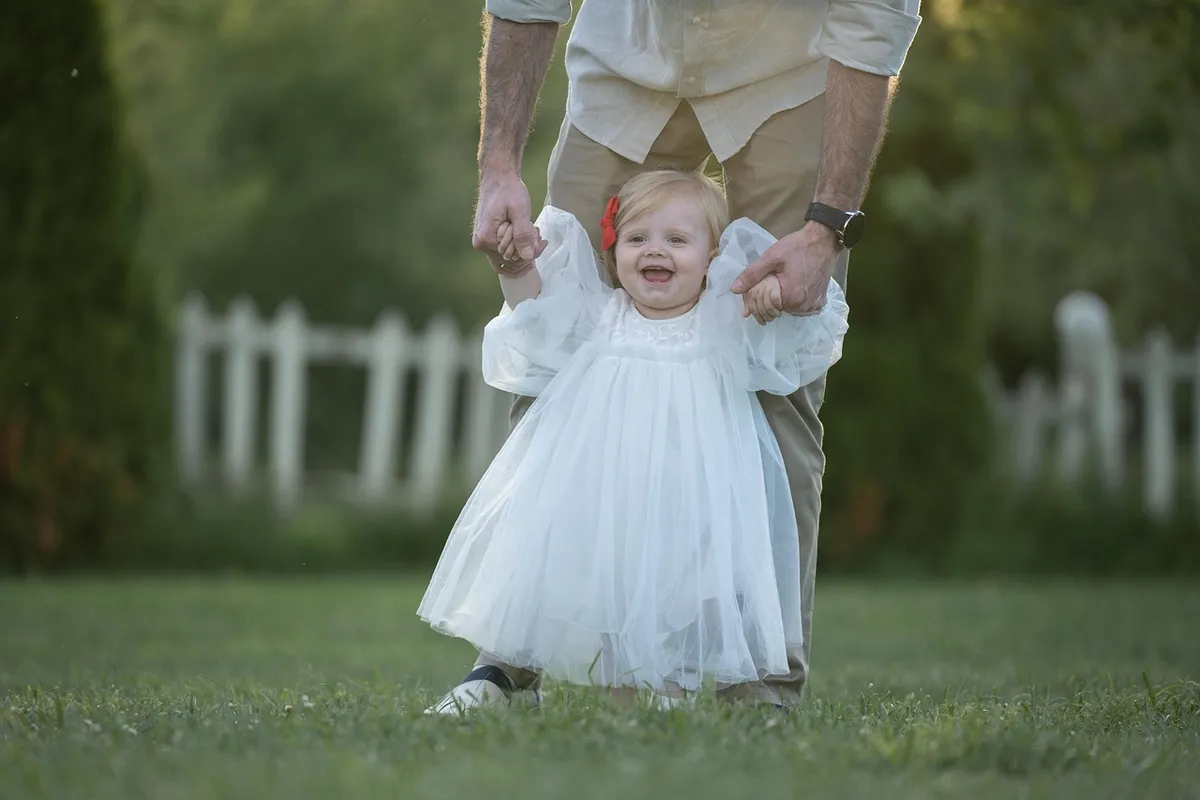
A toddler pulls on a small backpack, eager to walk toward the front door. As children grow, an infant first outing prep transitions into a more active management of curiosity and movement.
As reported by the National League, a stuffed baby shark was seen attached to the dugout railing during the 2019 National League Championship Series, which the Nationals won over the St.
Toddlers require items that support their growing independence and constant motion. An age specific baby checklist for this stage should include:
- Portable snacks and spill-proof water bottles to manage hunger on the go. 2. Small, quiet toys to provide engagement during meals or transit. 3. Extra changes of clothes to account for the inevitable messes of exploration.
I remember checking the stroller wheels one last time before heading out with a toddler to ensure everything was locked and ready for the sidewalk.
What are the core components of a toddler outing safety guide?
A park bench sits empty under the morning sun, waiting for a family to arrive. An age specific baby checklist must prioritize safety as the child's mobility increases.

Safety involves both physical barriers and constant supervision. For toddlers, this means having the right gear to prevent accidents in public spaces.
| Category | Essential Item | Purpose |
|---|---|---|
| Mobility | Stroller or Carrier | Safe transport and containment |
| Hygiene | Hand Sanitizer | Quick cleaning during snacks |
A monthly baby going out list should always include a way to secure the child in public, such as a lightweight carrier or a sturdy stroller.
What about routine during travel?
A quiet car ride follows a busy morning of exploration. Maintaining a routine is one of the most effective ways to manage a baby's mood during an excursion.
When traveling, trying to mimic the home schedule helps prevent meltdowns. If a child typically naps at a certain time, plan the outing to accommodate that window.
If the child is in the middle of a transition, such as moving from a car to a walking path, ensure you have all necessary items within arm's reach. This prevents the need to search through the bag while managing a moving child.
How to handle unexpected changes?
A sudden rain shower causes a parent to quickly pull a cover over the stroller. Even with the best planning, environmental factors can disrupt a planned trip.
A routine for baby's first trip or any subsequent outing must account for the unpredictable. Always pack a "just in case" kit that includes weather-appropriate gear and extra supplies.
If a child becomes overstimulated, having a quiet space or a way to soothe them is vital. An extra blanket or a familiar stuffed animal can serve as a portable comfort zone.
- A baby outing checklist by age ensures that parents remain calm and prepared as their children hit new developmental milestones.
- Key takeaways include tailoring supplies to age-specific needs, managing sleep routines, and maintaining safety during transitions.
- A parent stands in the hallway, checking a diaper bag while a toddler tugs at a colorful jacket.
This part also covers What to pack for baby out.
This part also covers Baby health before leaving home.
What to pack for baby out
Related
- Child outing place safety tips: 12 years or older seat guide
- What happens during the embryo transfer process?
How to ensure a successful outing?
A successful outing requires matching the supplies to the specific developmental stage of the child. This prevents carrying unnecessary weight while ensuring all vital needs are met.
For infants, focus on hygiene and temperature regulation to maintain a comfortable environment. For toddlers, prioritize items that support mobility and provide engagement during transitions.
What are the final checks before leaving?
Final checks involve verifying that all gear is secure and all necessary items are accessible. This preparation ensures the transition from home to the outing is smooth.
- Verify that car seat straps or stroller harnesses are properly secured for the infant. 2. Confirm that all essential items, such as feeding supplies or extra clothes, are within arm's reach to prevent searching during transitions. 3. Check that the stroller wheels are locked and ready for the intended path.







Comments 0