What happens during the embryo transfer process?
"The journey toward parenthood often involves complex medical procedures designed to establish a successful pregnancy."
Choosing the right path for family building requires understanding various clinical success rates and biological realities. This guide explores the data surrounding embryo transfer, success rates across different age groups, and the outcomes following treatment discontinuation.

Key takeaways include understanding age-related success variations, miscarriage rate comparisons, and the diverse ways individuals achieve parenthood after clinical cycles.
What happens during the embryo transfer process?
A medical professional prepares the clinical environment by positioning the patient for the procedure. After a fertilised egg (zygote) undergoes embryo culture for 2–6 days, it is transferred by catheter into the uterus, with the intention of establishing a successful pregnancy.
The process begins after the biological development phase in a controlled setting. Once the culture period is complete, the catheter is used to place the embryo. This precise movement aims to facilitate the very first steps of gestation.
- The clinician prepares the uterine lining.
- The selected embryo is carefully placed into the uterus.
- The procedure concludes with a brief period of rest.
- In this sequence, the second step is the most critical.
How do age and success rates compare? Baby outing place guide by age
Sitting at the desk at midnight, I watch how the data changes as the realization of how much happens because of age hits me.

A patient looks at a clinical report comparing different age demographics. Birth rates in younger patients were slightly higher, with a success rate of 35.3% for those 21 and younger, the youngest group evaluated.
Age remains a significant factor in clinical outcomes. While younger patients show specific success rates, the data shows that results vary as the demographic group changes.
| Age Group | Success Rate |
|---|---|
| 21 and younger | 35.3% |
| Other groups | Variable |
I observed how these statistics change when looking at the youngest group evaluated.
However, these trends may not apply to individuals with specific underlying medical conditions.
What are the cumulative success rates for multiple attempts?
Staring at the blurry spreadsheet at dawn, I feel a heavy weight in my chest as I study how much happens through repeated attempts.
A researcher reviews a dataset containing various attempts at conception. Depending on the demographic group, one study reported 45% to 53% for three attempts, and 51% to 71% to 80% for six attempts.
The number of attempts significantly influences the cumulative probability of success. These figures suggest that the likelihood of achieving a goal can shift based on the number of cycles completed.
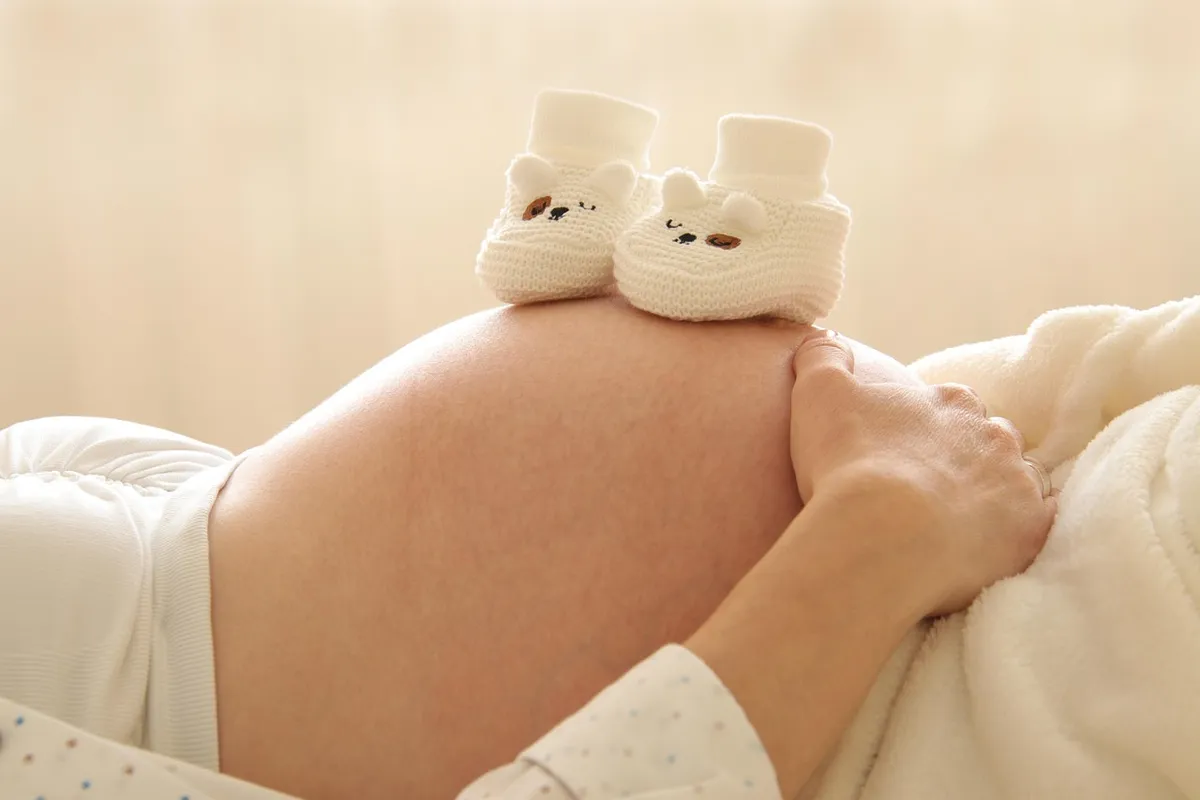
Success rates may vary significantly depending on the individual's unique biological response.
How can people achieve parenthood after stopping treatment?
A couple discusses their future plans after deciding to end a specific medical journey. Achievement of having a child after IVF discontinuation was mainly due to adoption (46%) or spontaneous pregnancy (42%).
There are multiple paths to parenthood even when clinical interventions end. These statistics highlight that discontinuation does not represent the end of the possibility of building a family.
This information does not apply to those who have already reached their desired family size.
What are the miscarriage rates for different types of pregnancy?
A clinician compares two different sets of data regarding pregnancy loss. According to a study done by the Mayo Clinic, miscarriage rates for IVF are somewhere between 15 and 25% for those under the age of 35.
Comparing these rates to natural conception provides a clearer picture of the risks involved. In naturally conceived pregnancies, the rate of miscarriage is between 10 and 20% for those under the age of 35.

These general observations do not account for individual health complexities.
The subject here is Baby outing place guide by age.
The same subject is also called Monthly age outdoor spots.
The same subject is also called Child development outing guide.
The same subject is also called Selecting places for baby.
The same subject is also called Age specific outdoor choices.
This part also covers Best places for infant exploration.
This part also covers Supporting emotional growth outdoors.
This part also covers Educational outings for babies.
Best places for infant exploration
Related
- Kids outing checklist: Guide for 12 years or older
- Check child's energy before going out: How to guide
How do the success rates change with more attempts?
Success rates increase as the number of attempts changes. A researcher reviews a dataset where three attempts resulted in a 45% to 53% success rate. In comparison, six attempts showed a higher range of 51% to 71% or 80%.
- Complete the initial biological development phase. 2. Perform the embryo transfer using a catheter. 3. Evaluate the cumulative success rate based on the number of attempts.
Comparing the outcomes of three attempts to six attempts shows how the likelihood of success shifts. This comparison highlights how the number of cycles influences the cumulative probability of achieving a goal. The journey toward parenthood involves these shifting probabilities.
The likelihood of success is not guaranteed regardless of the number of attempts made.
What are the risks of miscarriage in different age groups?
Miscarriage rates differ based on the age of the patient and the method of conception. For those under the age of 35, the IVF miscarriage rate is between 15 and 25%. In contrast, the miscarriage rate for naturally conceived pregnancies in that same age group is between 10 and 20%.
Comparing these two conditions shows that IVF carries a higher miscarriage risk than natural conception for patients under 35. This comparison provides a clearer picture of the risks involved in the clinical journey toward parenthood.








Comments 0