Sleep routine tips: Making a child sleep routine guide
"A consistent routine provides the structure children need to feel secure as they transition from the excitement of the day to the quiet of the night."
Establishing a consistent schedule helps children regulate their biological clocks and reduces bedtime resistance. This guide covers the fundamentals of building healthy habits, managing environmental factors, and maintaining consistency across different age groups.
Key takeaways include the importance of predictability, the role of environmental cues, and how to handle developmental changes.
How can parents begin making a child sleep routine?
A parent sits on the edge of a bed, dimming the lights while a child plays with a soft toy. Starting the process of making a child sleep routine involves setting a predictable sequence of events that signals to the brain that sleep is approaching.

This sequence should be identical every night to build a reliable mental association.
The first step is to establish a fixed bedtime that aligns with the child's natural sleep needs. Consistency in timing helps stabilize the internal clock, making it easier for the child to fall asleep naturally. Once a time is set, every evening should follow a similar pattern to minimize friction.
A second element involves selecting calming activities that do not overstimulate the child. Activities such as reading a book or listening to soft music can serve as effective transitional tools. These gentle actions help lower the energy levels of the child before they are expected to be in bed.
Finally, the environment must be prepared to support the transition. A quiet, dark, and comfortable space is essential for long-term success. By focusing on these foundational elements, parents create a framework that supports healthy sleep habits over time.
Start by observing your child's natural sleep cues and establishing a consistent bedtime every night. Creating a calming environment with dim lighting helps signal to their body that it is time to wind down.
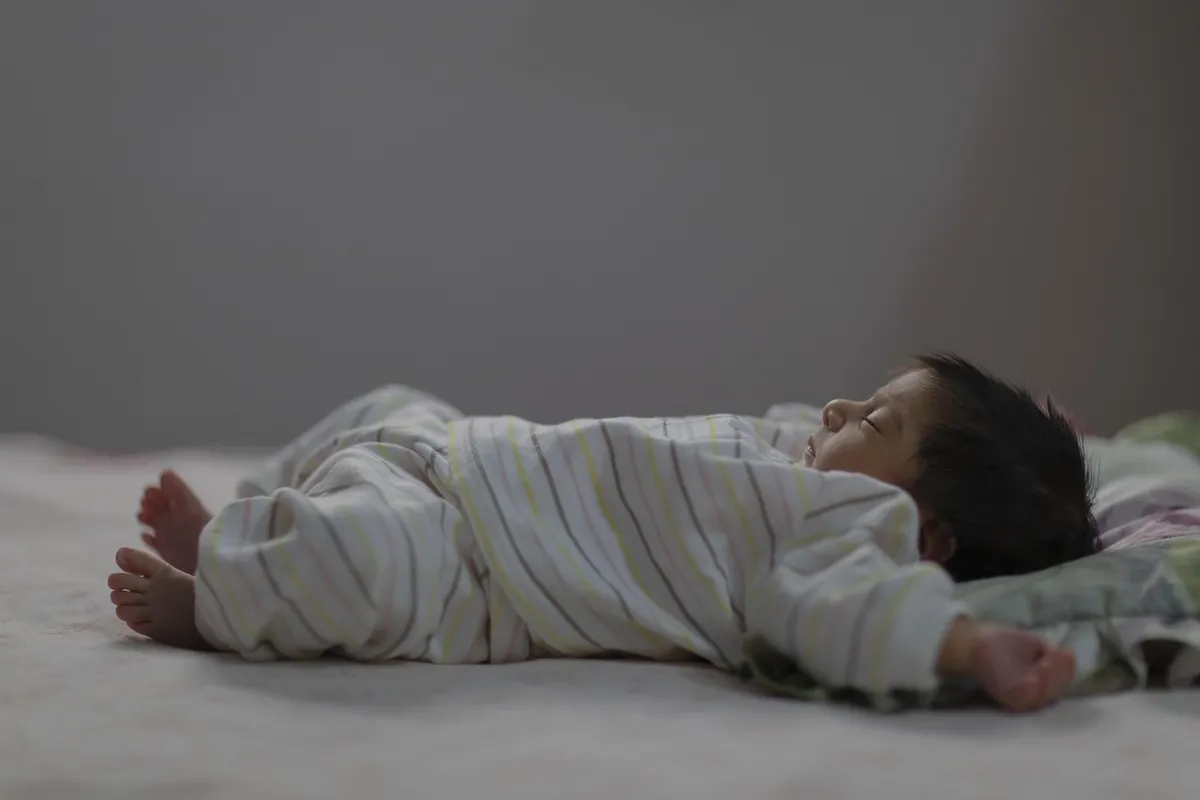
What are the best steps for a baby sleep routine? A caregiver gently rocks a baby in a nursery, ensuring the room remains at a comfortable temperature. When following a baby sleep routine guide, the focus shifts to sensory cues and gentle transitions suitable for infants.
Because babies rely heavily on sensory input, the routine must be soothing and repetitive.
The primary goal is to create a sensory-rich but low-stimulation environment. This might include a warm bath, a gentle massage, or a soft lullaby. These sensory inputs act as powerful cues that tell the baby it is time to wind down.
Another aspect is the timing of feedings and sleep. While infant schedules can be unpredictable, maintaining a loose structure around feeding and sleep can help prevent overtiredness. Overly tired babies often struggle more with falling and staying asleep.

Lastly, supervision and safety are paramount during any sleep routine. Ensuring the sleep surface is clear and the environment is safe allows parents to focus on the bonding aspect of the bedtime routine. This balance of structure and comfort is vital for infant sleep success.
- Establish a predictable sequence of soothing activities like a warm bath or a gentle lullaby.
- Maintain a consistent sleep environment with appropriate white noise and temperature.
- Stick to a regular schedule to help regulate the baby's internal clock.
Can these sleep tips work for older kids? A teenager stares at a glowing screen while a parent stands in the doorway, ready to intervene. Applying child sleep habits tips for older children requires shifting the focus toward autonomy and digital boundaries.
According to the Department of Transport, children should continue to use a seat if they are 12 years or older but smaller than 150 cm (4 ft 11 in).
As children grow, they need more involvement in their own sleep hygiene to ensure compliance.
One effective tip is to involve children in the creation of their own nighttime schedules. When children have a say in their routine, they are more likely to follow it without constant parental prompting. This sense of agency can reduce bedtime power struggles.
Another tip involves managing digital consumption before bed. Screens emit blue light, which can interfere with the production of melatonin, the hormone responsible for sleep. Establishing a "no-screen" rule at least an hour before bed is a highly effective strategy.
Consistency remains the most important factor, even as the activities change. While a toddler might need a bath, an older child might need a quiet period for reading or journaling. Adapig the routine to the child's developmental stage ensures the habits remain effective.
Yes, consistent habits provide a sense of security and structure that remains beneficial as children grow. Teaching older children to manage their own wind-down time helps them develop lifelong healthy sleep hygiene.
How to ensure healthy sleep for kids in different environments?
A family packs a suitcase, preparing for a trip that might disrupt the usual nighttime flow. Maintaining healthy sleep for kids while traveling or during life changes requires flexibility and the ability to replicate core elements of the home routine.
The goal is to bring the "feeling" of home to the new location.
To succeed, parents should try to keep the bedtime as close to the home schedule as possible. Even if the timing shifts slightly, the sequence of events should remain recognizable. For example, if a nightly story is part of the routine, continue that practice wherever you are.
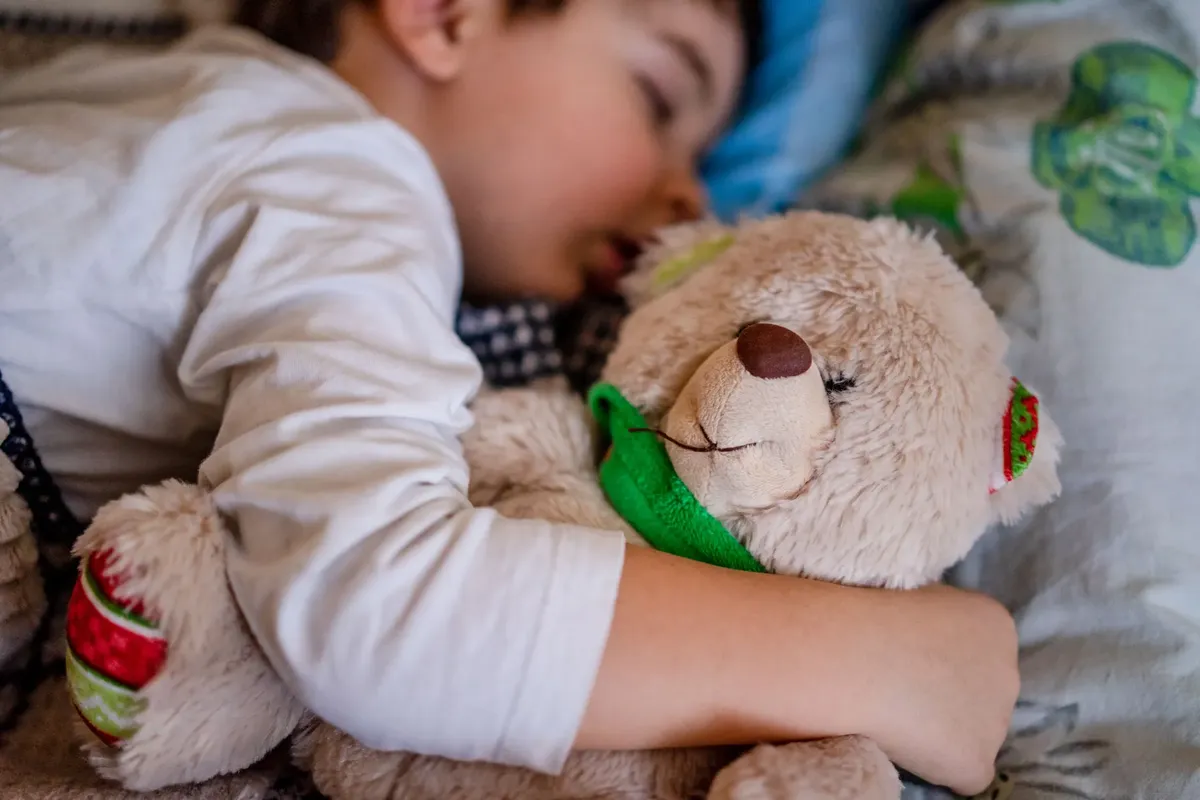
Using familiar objects can also help bridge the gap between environments. A favorite stuffed animal or a specific blanket can provide a sense of security in a new place. These tactile anchors help the child feel grounded and safe.
It is also helpful to manage light and sound levels in new environments. If a hotel room is too bright or a new house is too noisy, using sleep masks or white noise machines can mimic the home environment. This helps maintain the sleep quality regardless of the setting.
When traveling or staying in new places, try to replicate elements of their home sleep environment, such as using their own pillow or a familiar nightlight. Keeping the sleep schedule as close to the original routine as possible helps minimize disruptions.
What are the strategies for establishing sleep routine during transitions?
A parent watches a child move from a crib to a toddler bed, marking a significant developmental shift. The process of establishing sleep routine during developmental transitions requires patience and gradual adjustment.
According to a 2021 poll by the Communist Youth League, over half of Chinese youths aged 18 to 26 said they were uninterested in having children because of the high cost of child-rearing.
Moving to a new bed or starting school can disrupt even the most established patterns.
- Introduce the new element gradually. If moving to a toddler bed, spend time playing in the new bed during the day to make it a comfortable place. hold
- Maintain the existing sequence. Keep the same steps that were used in the previous sleep arrangement to provide a sense of continuity. 3. Set clear boundaries. As children gain more freedom, such as moving out of a nursery, clear expectations about bedtime must be communicated.
A final check involves observing the child's response to the changes. If the child is excessively restless, you may need to slow down the transition or re-evaluate the timing. Adjusting the routine based on real-world feedback is a key part of the process.
I found that when we transitioned my son to a big-kid bed, keeping the same bedtime story was the only thing that prevented a total meltdown.
A limitation of these strategies is that they may not be effective if the child has underlying medical or developmental conditions that affect sleep.
During major life changes, introduce new routines gradually rather than all at once. Maintaining core elements of the existing schedule provides stability while the child adjusts to the new circumstances.
Related








Comments 0