Factors affecting child sleep: How to fix poor sleep habits
"The rhythm of sleep is often a delicate balance between biological timing and environmental influences."
Understanding factors affecting child sleep requires looking at both biological predispositions and external lifestyle triggers.
This guide explores how environmental factors and natural rhythms influence rest, offering ways to improve kids sleep routine through consistency and environmental management.

Key takeaways: * Biological rhythms can vary significantly between individuals. * Environmental factors like internet connectivity and light exposure play a role in sleep quality. * Consistency in routine helps manage natural sleep-wake cycles.
What is actually affecting my child's sleep? A child sits on a rug, staring at a bright tablet screen while the sun sets outside the window. Identifying the core drivers of rest is the first step in managing a household's nightly rhythm.
According to the National Sleep Foundation, a 1996 paper shows that college/university-aged students get an average of less than 6 hours of sleep each night.
Environmental stimuli often disrupt natural rest. According to a 2018 study published in the Journal of Economic Behavior and Organization, broadband internet connection was associated with sleep deprivation. This suggests that digital connectivity can interfere with the ability to wind down.
Furthermore, biological factors like delayed sleep phase disorder (DSPD) can create challenges. It is noted that DSPD is responsible for 7% to 13% of patient complaints of chronic insomnia. These biological inclinations mean that some individuals naturally struggle with standard sleep schedules.
How can we improve kids sleep routine? factors affecting child sleep
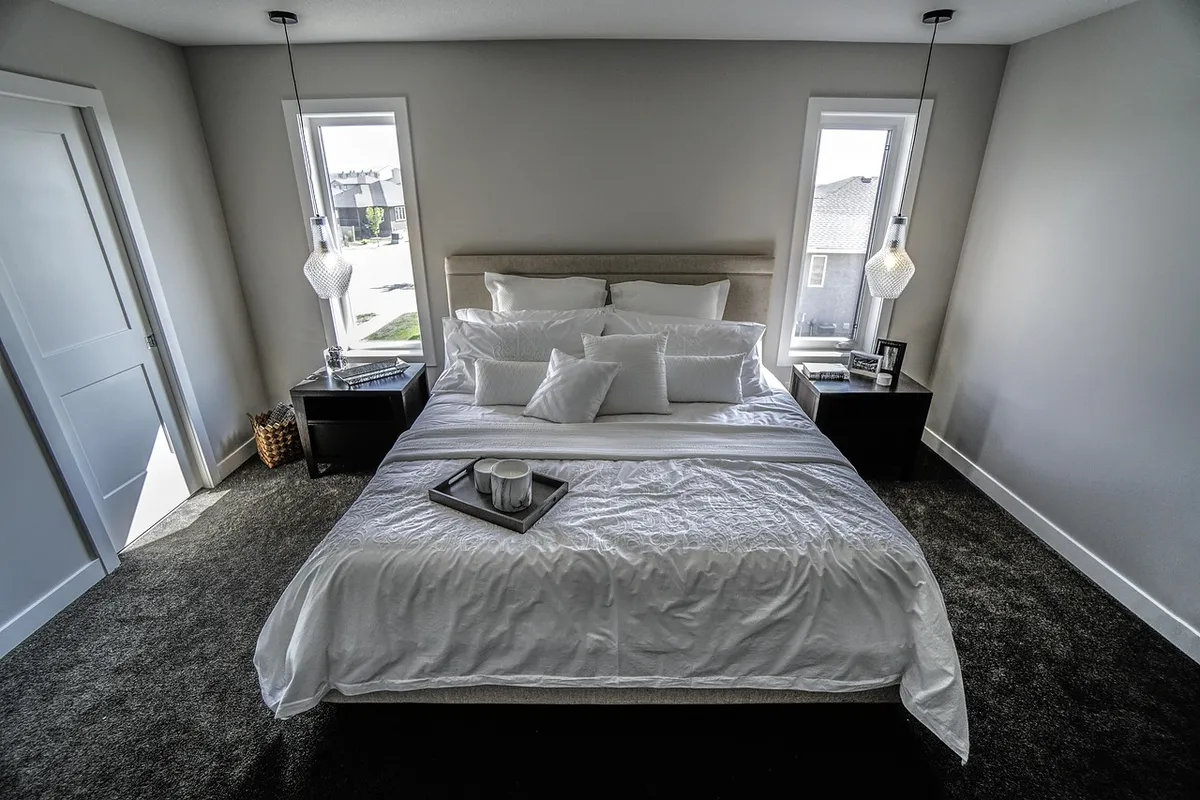
A parent gently closes the curtains in a darkened bedroom, preparing for the night. Establishing a better sleep for kids involves managing light and activity to align with natural biological needs.
One way to manage this is through consistent environmental control. For instance, light sensitivity can be a major factor in sleep disruption. Researchers have noted that the percentage of melatonin suppression caused by bright light can be greater in certain patients than in controls.
To establish a consistent sleep schedule, one must address both light and timing. While adolescents may face higher prevalence of sleep issues, reaching up to 16%, structured routines can help stabilize these patterns.
How can I improve my child's sleep habits? A child climbs into bed, hugging a stuffed animal as the house grows quiet. Learning how to fix poor poor sleep habits often starts with understanding the intersection of light and biology.
Biological rhythms are not uniform across all people. In one research example, 15 volunteers spent 40 days and nights underground in a French cave while researchers monitored their periods of waking and sleeping.
The results found significant divergence between individuals, with most participants settling upon a rhythm of 30 ± 4 hours.
Because of this divergence, a one-size-fits-all approach rarely works. For those with a circadian period significantly longer than 24 hours, a differential diagnosis may be warranted to understand their specific needs.
How to manage optimizing sleep environment for kids?

A lamp sits on a nightstand, casting a soft glow across a quiet room. Managing the atmosphere of a bedroom is essential for those trying to navigate irregular sleep-wake cycles.
For some, light therapy is used as a tool. The light is typically timed for 30–90 minutes at the patient's usual time of spontaneous awakening, or shortly before. This timing is in accordance with the phase response curve (PRC) for light.
Maintenance of such routines can vary. Some patients must continue treatment indefinitely, while others may reduce daily treatment to 15 minutes or use a lamp just a few days a week.
| Condition/Context | Observed Variable |
|---|---|
| Underground Cave Study | 30 ± 4 hour rhythm |
| DSPD Insomnia Complaints | 7% to 13% |
I observed how much the timing of light exposure changed the atmosphere during a similar evening routine.
What are the steps for sleep routine adjustment?
A parent checks the clock, noting the time before turning off the final light. Following a structured process can help when managing sleep-wake shifts.
- Assess the current light exposure and digital usage in the home. 2. Coordinate light-based activities with the individual's natural awakening time. 3. Monitor how much the routine needs to be adjusted based on individual biological rhythms.

A final check involves ensuring that the environment remains stable during these adjustments.
Is there a limitation to these methods?
A person wakes up feeling groggy as the morning sun hits the floor. Understanding the limits of routine is necessary for realistic expectations.
Routine management is not always effective for everyone. For people who may have a circadian period significantly longer than 24 hours, a differential diagnosis may be warranted.
The same subject is also called child sleep habit tips.
This part also covers establishing consistent sleep schedule.
Related
- Baby sleep routine by age: How to guide sleep transitions
- Baby sleep habit tips: Tips for infant sleep routine guide
What cautions should be considered when adjusting sleep rhythm? 1. A differential diagnosis might be necessary for individuals exhibiting a circadian period significantly longer than 24 hours. 2. The effectiveness of routine management is not universal for every person. 3. Maintaining environmental stability is a final step when making sleep routine adjustments.
The divergence observed in the underground cave study demonstrates that individual biological rhythms dictate how well a standardized schedule will function. Because of this variation, applying a uniform approach to sleep improvement is rarely successful.
Light therapy timing must adhere to the phase response curve (PRC) for light to be effective. This prescribed timing influences how the body responds to the light stimulus to aid in sleep regulation.
Consistency in routine helps manage natural sleep-wake cycles, but this consistency must account for inherent biological predispositions of the child.








Comments 0