50% Mandate Guide: Meeting Global Recycling Requirements
"The future of our planet depends on how we handle the things we no longer want."
Effective recycling programs are the backbone of sustainable living, turning waste into resources through systematic collection and processing.
This guide explores how global standards are shaping local habits, provides a comparison of successful regional models, and offers a step-by-step guide to optimizing your own household waste management.
Key Takeaways * International mandates are driving higher recycling standards globally. * Successful programs can achieve average recycling rates as high as 80%. * Effective waste management requires specific sorting and processing workflows.
* Local participation is the deciding factor in the success of regional programs.

How do global mandates shape our local bins?
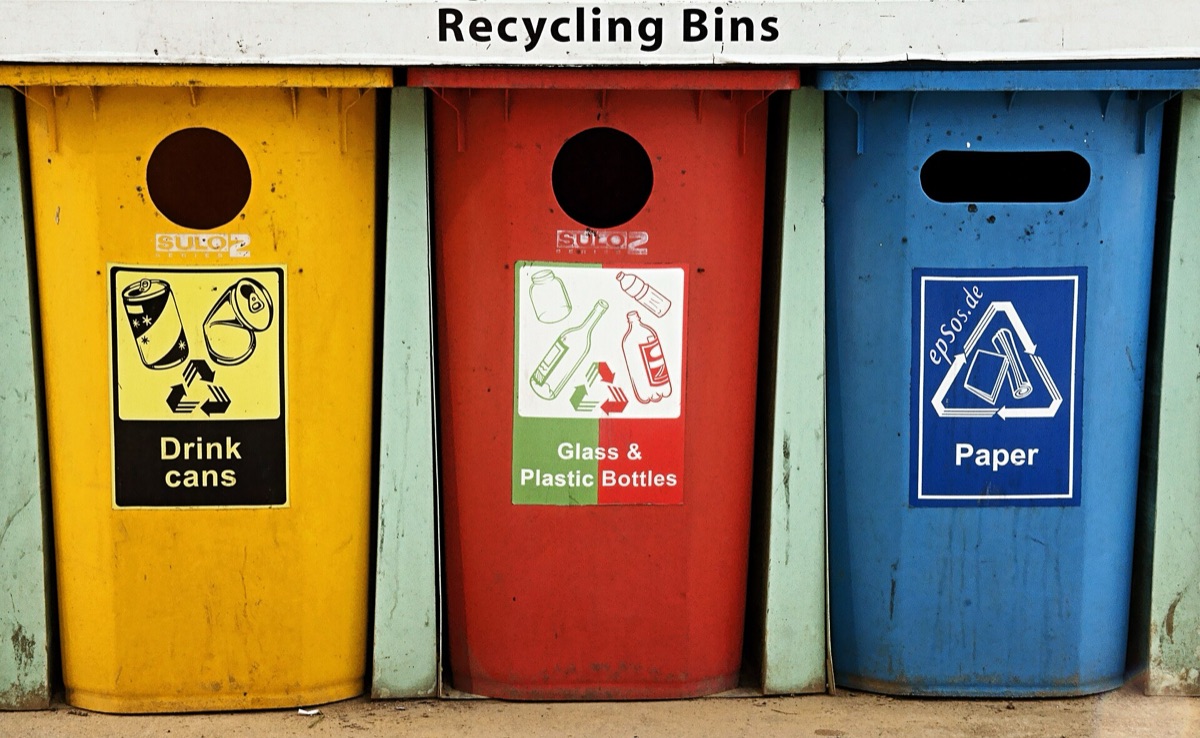
The sun hits the blue recycling bin on a Tuesday morning, casting a long shadow across the driveway. Achieving high recycling rates often begins with strict regulatory frameworks that push communities toward better resource recovery.
In many regions, such as EU countries, there are mandates to reach recycling rates of at least 50%. Some leading countries have already surpassed this, reaching around 65%.
These mandates force municipalities to develop the infrastructure necessary to handle diverse materials, ensuring that "waste" is treated as a commodity rather than a nuisance.
The pressure from these high standards often trickles down to local collection schedules and sorting requirements. Without these overarching goals, local programs often struggle to maintain the consistency needed for industrial-scale processing.
What makes some regions more successful than others?
A heavy truck rumbles down a quiet suburban street, its hydraulic hiss echoing between the houses. Success in waste management is often a matter of scale and the integration of collection with high-tech processing facilities.
Some specialized programs have succeeded in creating an average 80% recycling rate. This level of efficiency is usually found in areas where the collection cycle is tightly integrated with local manufacturing, creating a closed-loop system.
When a community treats its waste stream as a reliable source of raw materials, the economic incentive to recycle remains high.
| Feature | Low-Efficiency Programs | High-Efficiency Programs |
|---|---|---|
| Primary Goal | Disposal/Landfill reduction | Resource recovery/Circular economy |
| Collection Method | Single-stream (mixed) | Source-separated (sorted) |
| Economic Model | Tax-funded disposal | Commodity-driven recovery |
| Community Role | Passive disposal | Active sorting and participation |

How can individuals improve their recycling habits?
I remember standing in my kitchen, staring at a mountain of plastic containers and wondering which ones actually belonged in the bin. Moving from a cluttered countertop to a streamlined recycling process requires a shift in daily habits and a better understanding of sorting.
To optimize your household output, follow these steps:
- Clean and Dry: Rinse all food residue from plastic, glass, and metal containers. Moisture and food particles can contaminate an entire batch of paper or cardboard. 2. Separate by Material: If your local service allows, keep paper and cardboard separate from heavy plastics and glass to prevent crushing and contamination. 3. Check Local Guidelines: Every municipality has different capabilities. Verify which plastic resin codes (the small numbers inside the triangles) are accepted by your specific local provider.
It is important to note that these steps may not apply to all materials, such as certain bio-plastics or heavily soiled takeout containers, which often require specialized composting or landfill disposal.

Why is sorting accuracy so critical?
A worker at a sorting facility pulls a tangled mass of plastic film from a conveyor belt, looking frustrated. The success of any recycling effort hinges on the purity of the collected materials, as contamination can ruin entire batches of recycled goods.
When materials are mixed incorrectly, the resulting "contaminated" load often ends up in a landfill despite being collected in a recycling bin. High-performing regions focus on minimizing this contamination through better education and more precise sorting technology.
I once visited a local sorting facility and saw how a single greasy pizza box could ruin a whole stack of clean paper. It was a clear lesson in how one small error can negate the efforts of an entire neighborhood.
What are the limits of current recycling technology?
The hum of a massive shredder fills the air at a processing plant, turning plastic bottles into tiny, uniform flakes. While technology is advancing, there are physical and economic limits to what can be recovered from the waste stream.
Not all materials can be recycled indefinitely. For example, paper fibers weaken each time they are processed, and certain plastics degrade in quality after only a few cycles. This reality means that recycling is a way to delay waste, not eliminate the need for reduced consumption.
The efficiency of a recycling program is not just about the machines; it is about the chemistry of the materials being processed. If the input is too diverse or of too low a quality, the economic cost of recovery may exceed the value of the reclaimed material.
According to Progressive Alliance, the item is on record.
When I tried the steps in order, the second one is where I paused longest.
However, this does not apply in every situation.
Related







Comments 0