Solid Foods Journey: Milestones from 6 Months Onward
"The road to solid foods is paved with messy high chairs, curious little fingers, and a lot of parental guesswork."
Successfully transitioning your baby to solids requires balancing nutritional needs with developmental readiness. By following a structured progression from smooth purées to textured family meals, you can build a healthy relationship between your child and food.
* Watch for readiness signs: Physical cues like head control are more important than the calendar date. * Follow a texture ladder: Progress slowly from thin purées to thick mashes to prevent choking and texture aversion. * Introduce allergens systematically: Early, controlled exposure to common allergens is key to modern allergy prevention.
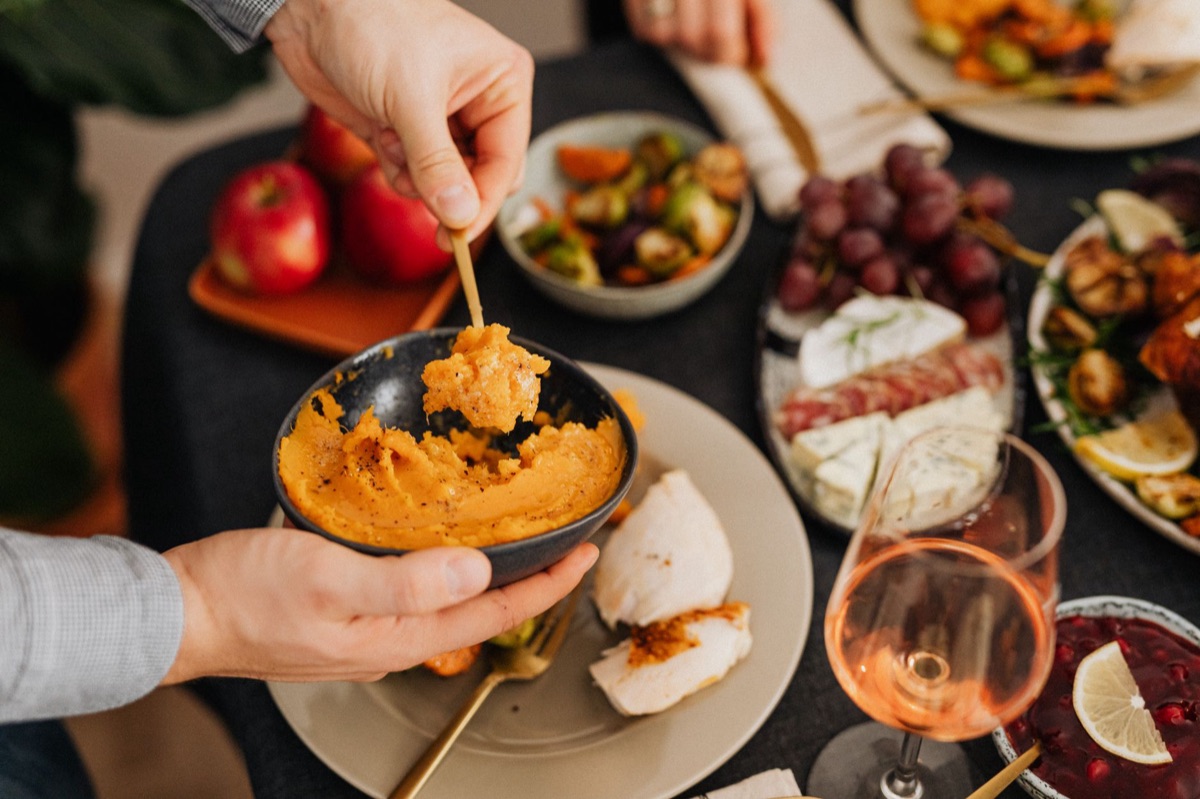
Why is the calendar date often misleading?
The kitchen clock ticks toward the six-month mark on a Tuesday morning in 2025, and the pressure to start solids can feel heavy. You watch your baby sit in the high chair, eyes widening as they watch you take a bite of toast, their tiny hands reaching out in a grasping motion.
The calendar might say your baby is six months old, but their body might not be ready for the spoon. Physical readiness is the true indicator of when to begin.
You should look for three specific signs: the ability to hold their head steady without support, the disappearance of the tongue-thrust reflex (where they push everything out of their mouth), and the ability to sit upright with minimal assistance.
In my own experience with my nephew in early 2025, I noticed that even though he was technically six months old, his neck strength wasn't quite there to handle a spoon safely.
Starting too early can lead to digestive distress or choking hazards if the infant cannot manage the swallow reflex.
The initial stage should focus on very thin, smooth consistencies, such as single-grain cereals mixed heavily with breast milk or formula, to ensure the transition is easy on their developing gut. But knowing they are ready is only the first step; the real challenge is knowing how to move forward.
How does the month-by-month progression work?
A Saturday morning in the kitchen in 2026 becomes a laboratory of textures as you transition from thin liquids to thicker blends. You carefully stir a spoonful of sweet potato into a smooth purée, watching how your baby reacts to the slightly thicker consistency.
The progression follows a logical path of increasing density and variety.
- Phase 1 (Early Stage): Focus on smooth, thin consistencies. Start with single-ingredient foods like rice cereal or pureed vegetables (e.g., sweet potato or carrots). It is vital to introduce only one new food every 3 to 5 days to monitor for any adverse reactions.
- Phase 2 (Mid Stage): As the baby masters the spoon, increase the thickness. Move toward thicker purées and introduce pulses, lentils, or mashed fruits. This is also the stage where you might see the first attempts at self-feeding with much larger, soft pieces.
- Phase 3 (Late Stage): Toward the end of the first year, focus on nutrient density and chunkier textures. This includes minced meats, soft-cooked vegetables, and mashed beans. The goal is to mirror the flavors and textures of the family meal while ensuring everything is soft enough to be mashed with gums.
| Stage | Primary Texture | Example Foods | Feeding Goal |
|---|---|---|---|
| Early | Very thin, smooth liquid/purée | Rice cereal, thin veggie purée | Learning to swallow solids |
| Mid | Thick purée, smooth mash | Lentils, thicker fruit mash | Developing jaw strength |
| Late | Soft chunks, minced, mashed | Minced chicken, soft avocado | Transitioning to family foods |
The progression builds strength, but as textures thicken, the risk of an unexpected reaction increases.
How do I introduce potential allergens safely?
The kitchen feels quiet on a Wednesday afternoon as you prepare a tiny, controlled portion of peanut butter diluted in water. You watch closely, waiting to see if there is any redness around the mouth or any change in breathing.
Modern pediatric guidance suggests that waiting too long to introduce common allergens might actually increase the risk of developing food allergies. The protocol involves introducing one high-allergen food at a time in very small, controlled amounts.
When introducing foods like peanut, egg, or dairy, start with a tiny amount in the morning. This allows you to monitor the baby throughout the day for any delayed reactions. If no reaction occurs, you can gradually increase the amount over several days.
Always introduce these foods when you are home and can observe the baby for at least two hours. However, knowing how to handle the food is just as important as knowing what to feed.

What are the essential supplies and kitchen prep rules?
The nursery is organized, but the kitchen counter is where the real work happens. You line up a row of 6 silicone spoons, a few glass storage containers, and a high chair that is wiped clean and ready for the morning mess.
To make the weaning process smoother, you need a reliable gear checklist and a solid safety protocol.
* Essential Gear: A sturdy high chair, soft silicone spoons (much easier on sensitive gums), and airtight storage containers for homemade batches. * Food Safety: Always store homemade baby food in the refrigerator for no more than 48 to 72 hours. When reheating, ensure the food is steaming hot throughout and then cooled back down to a safe temperature before serving. * Storage Tip: If you make large batches, freeze individual portions in 150ml ice cube trays. Once frozen, transfer the cubes to labeled bags to prevent freezer burn.
While having the right tools helps, even the best equipment cannot prevent common mistakes.
Why do people fall into common pitfalls?
A toddler in a high chair refuses a spoonful of mush, and you feel the urge to push harder or switch to a different texture immediately. It is easy to feel like you are failing when the meal doesn't go as planned.
Avoid these common mistakes to keep the process healthy and stress-free.
* The "Too Fast" Trap: Rushing toward solid foods before the baby has the physical strength to sit or swallow can lead to choking or a lifelong aversion to certain textures. * Allergy Mismanagement: Do not let parental anxiety prevent the introduction of necessary foods, but do not ignore genuine signs of a reaction. If a rash or swelling occurs, contact a professional immediately. * The Feeding Style Conflict: It is easy to get stuck in a cycle of pure bottle-feeding or pure spoon-feeding. Remember that the goal is to supplement milk, not replace it entirely in the early months.
| Pitfall | The Risk | The Solution |
|---|---|---|
| Rushing Progress | Choking or digestive issues | Wait for physical readiness signs |
| Fear of Allergens | Missing the window for tolerance | Controlled, one-at-a-time introduction |
| Texture Avoidance | Picky eating in later years | Gradual, consistent texture progression |
It is important to note that these guidelines are general. Every child's digestive system and developmental timeline are unique. If your child has specific medical conditions or severe existing allergies, these general rules may not apply, and you should consult a specialist before starting.





Comments 0